Rivina brasiliensis: Botanical Profile and Taxonomy
Growing across a vast geographical range, Rivina brasiliensis thrives as a distinct botanical species within the family Phytolaccaceae. Botanists recognize this flowering plant for its widespread natural distribution throughout the Americas and its remarkable adaptability to various environmental conditions.
First formally described by the botanist Domenico Nocca, it shares close taxonomic relationships with other members of its genus. The species encompasses recognized intraspecific taxa, such as Rivina brasiliensis var. viridis, which further highlight the evolutionary diversity present within this lineage.
Members of the genus Rivina typically exhibit a herbaceous to softly woody growth habit, forming low shrubs or perennial ground cover. The foliage is generally composed of simple, alternate leaves that present a vibrant green coloration and smooth margins.
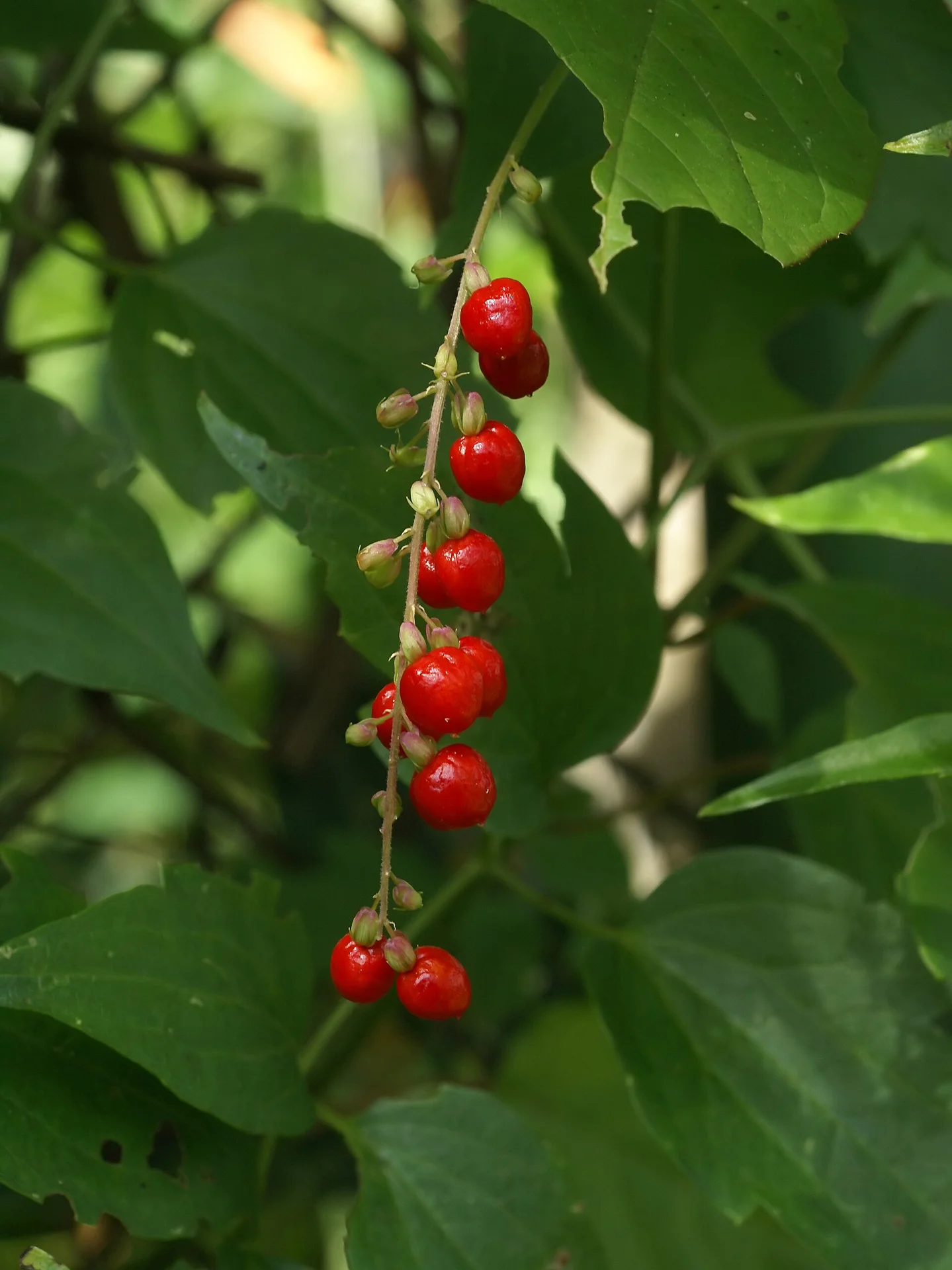
As a dicotyledonous flowering plant, Rivina brasiliensis produces characteristic floral structures typical of the Phytolaccaceae family. The fruiting bodies often develop into small, fleshy berries, which play a crucial role in the ecological dispersal of the species by local fauna.
Interesting facts
An intriguing aspect of Rivina brasiliensis is its extraordinarily broad geographic presence. Historical botanical records indicate established populations spanning across multiple continents and diverse climatic zones.
Key areas where this resilient species has been extensively documented include:
The southern coastal and inland regions of the United States.
Vast terrestrial ecosystems throughout Mexico, Central America, and South America.
Introduced or naturalized habitats in isolated parts of Asia, Oceania, and Africa.