Samadera bidwillii: Botanical Profile, Habitat, and Conservation
Growing predominantly in the riparian zones of Queensland, Samadera bidwillii stands out as a unique woody plant with remarkable ecological value. This species plays a vital role in stabilizing riverbanks and supporting local biodiversity within its native range. Due to ongoing environmental challenges, it has become a subject of conservation interest in Australia.
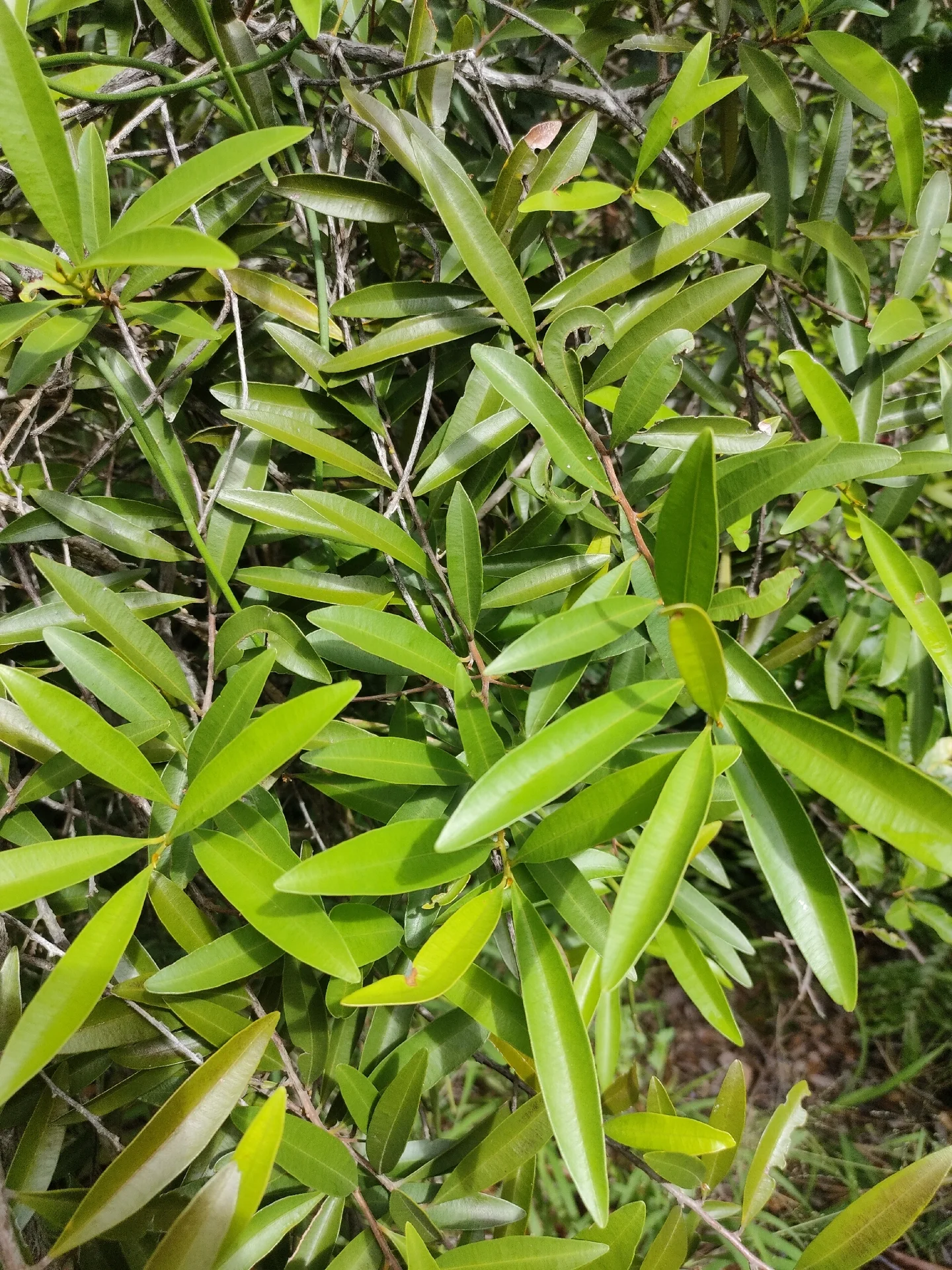
This plant typically develops as a large shrub or a small tree, reaching heights of up to 6 meters under optimal conditions. The foliage consists of simple, alternately arranged leaves that are lanceolate to narrow-elliptic in shape, presenting a glossy dark green upper surface and a paler underside.
Its inflorescences are characterized by small, greenish-yellow flowers grouped in dense, umbel-like clusters. The structural details of these reproductive parts include:
Sepals: Small, overlapping structures that form a protective outer calyx.
Petals: Leather-like, tough segments that are significantly longer than the calyx.
Stamens: Usually numbering between 8 and 10, rising from a conical flower disk.
Following successful pollination, the plant produces compressed, dry drupes. Each stone fruit features a narrow unilateral wing and contains a single seed.
Flowering season
Spring to summer, typically from October to January
Jan
Feb
Mar
Apr
May
Jun
Jul
Aug
Sep
Oct
Name
Dec
Applications
The primary value of this species lies in its ecological contribution to riparian ecosystems. Its robust root system helps prevent soil erosion along watercourses, maintaining the integrity of local riverbanks. Additionally, the wood and bark contain bitter compounds, which have been studied for their potential biochemical properties.
Interesting facts
This species contains specialized secondary metabolites known as quassinoids, which give the plant an extremely bitter taste. These compounds serve as a natural defense mechanism against herbivores and insect pests. Furthermore, its survival is closely linked to the presence of permanent watercourses in dry rainforest environments.
Geography of distribution
Queensland, Australia
Sources
Stated in Plants of the World Online (POWO).
Stated in Global Biodiversity Information Facility (GBIF) Database.
Stated in World Flora Online (WFO).
Stated in Queensland Nature Conservation Act 1992 records.