Samadera: Botanical Characteristics and Traditional Uses
Stretching across a vast native range from eastern Africa to the shores of Australia, Samadera encompasses a small but significant group of trees. Belonging to the Simaroubaceae family, these plants inhabit diverse ecosystems ranging from lowland tropical forests to peat swamps.
The genus has garnered attention both for its complex taxonomic history and its practical applications in regional cultures. While some species flourish across multiple countries, others are highly localized and face serious ecological pressures.
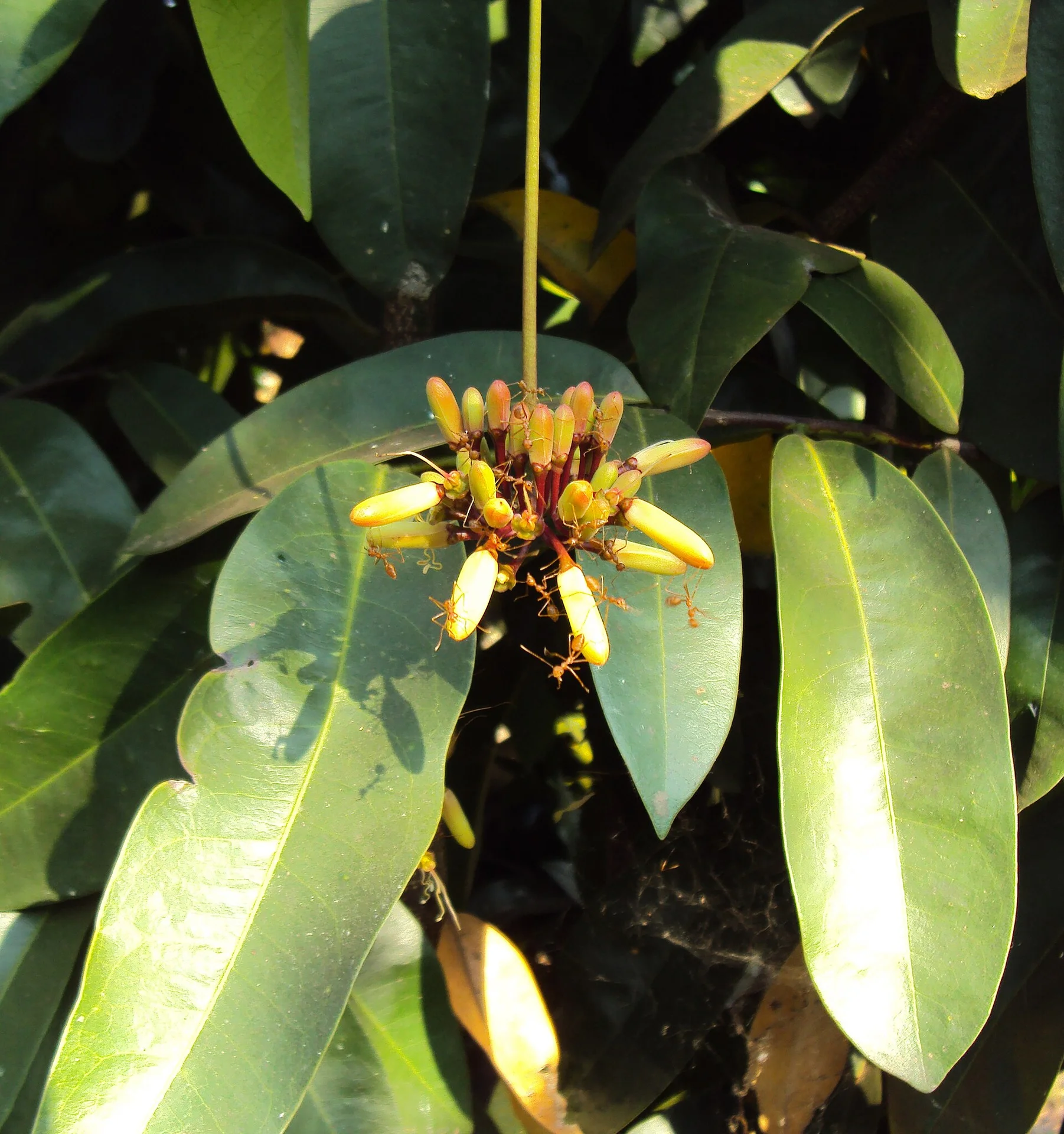
Members of this genus develop as large or small trees featuring simple leaves. Their inflorescences take the form of axillary or terminal umbels, bearing bisexual flowers with overlapping sepals.
The floral anatomy includes numerous coriaceous petals that significantly outgrow the calyx, alongside a large, conical floral disk containing eight to ten stamens. Following pollination, the plant produces distinctive fruit capsules containing one to five large, compressed drupes.
Each of these stone fruits is equipped with a narrow unilateral wing, an evolutionary adaptation that aids in effective seed dispersal.
Applications
Various species within the genus are harvested from the wild for their medicinal properties in local folk traditions and for the production of natural insecticides. In regions like Kerala, methanolic extracts from the plant have been utilized to address conditions such as arthritis, skin ailments, and fevers, owing to their reported antimicrobial and antioxidant activities.
Beyond medicine, the timber serves practical purposes in rural communities. For instance, in Sarawak, Malaysia, the durable wood is specifically crafted into functional knife handles.
Interesting facts
Taxonomic classification of these trees has undergone significant revision, with species historically grouped under the broader Quassia genus before DNA sequencing in 2007 supported their resurrection as an independent lineage.
Certain species are ecologically threatened, such as Samadera bidwillii, which is listed as vulnerable in Australia due to habitat clearing and competition from invasive exotic grasses.