Towering above the misty slopes of California's Sierra Nevada, these ancient titans stand as silent witnesses to millennia of Earth's history. Among them, the Sequoiadendron giganteum reigns supreme as the most massive individual tree species on the planet.
These colossal trees can live for well over three thousand years, their growth fueled by a specialized root system and thick, fire-resistant bark. Over the centuries, the sheer scale of the Sequoiadendron giganteum has captivated humans, inspiring both intense logging efforts in the past and modern conservation movements.
Today, these giants are celebrated globally as living monuments and are protected in dedicated national parks to ensure their survival for future generations. Horticulturists also prize the Sequoiadendron giganteum as a majestic ornamental tree, planting it in parks and botanical gardens worldwide.
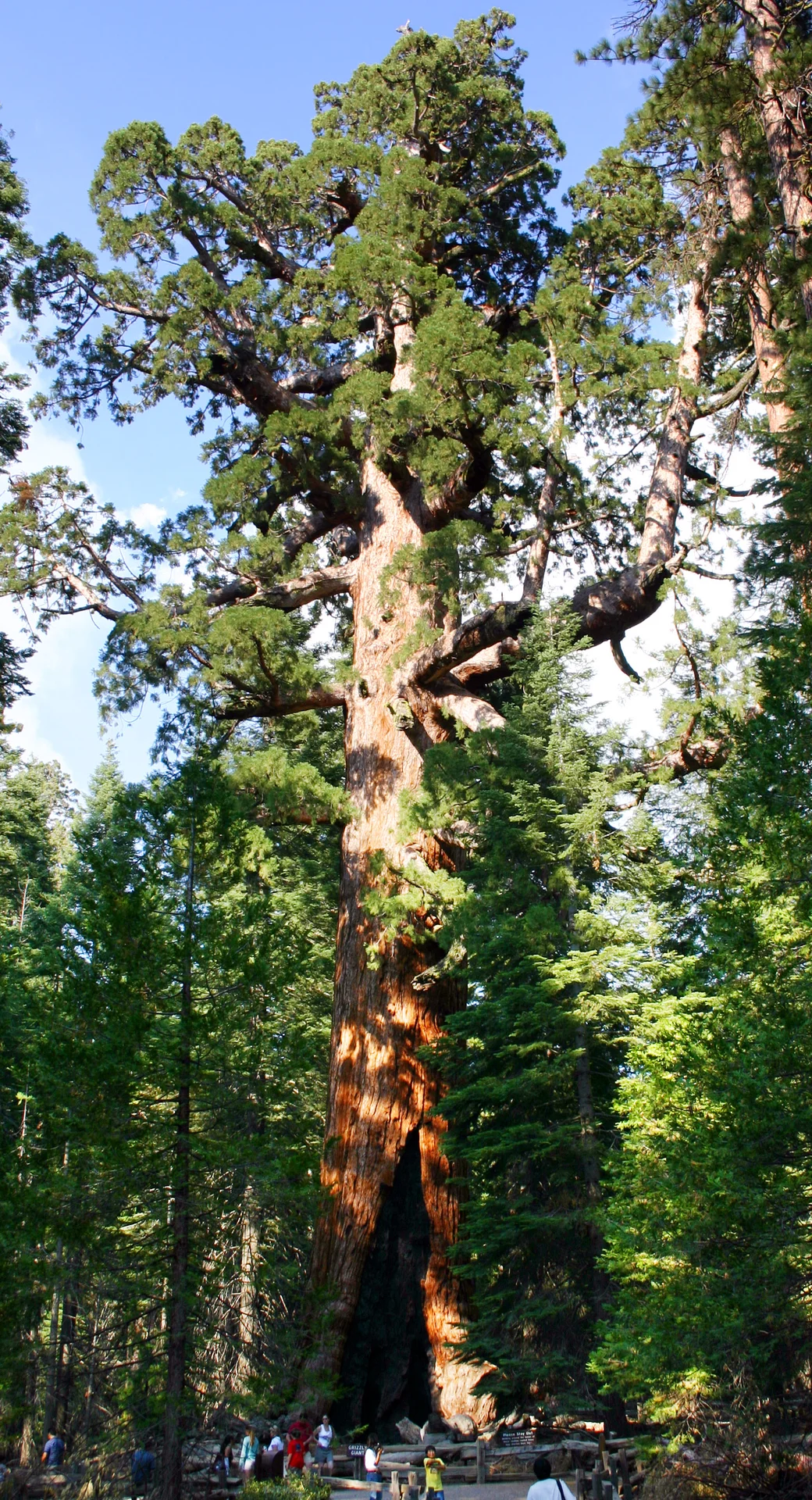
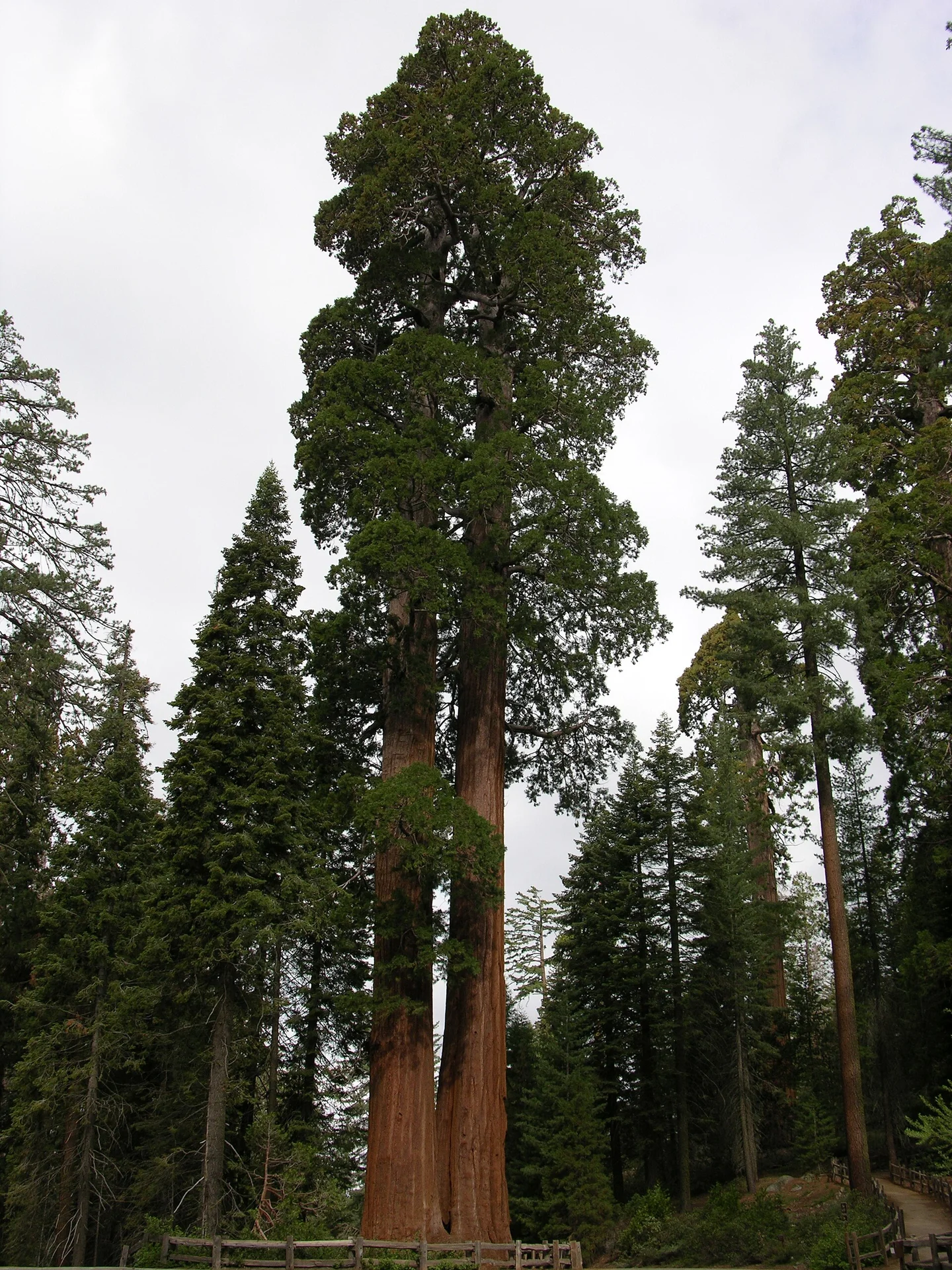
The structural characteristics of Sequoiadendron giganteum allow it to reach colossal proportions and survive for thousands of years. The species features a straight, columnar trunk that tapers gradually, supported by a massive root system and protected by a uniquely adapted bark.
Key morphological features of the giant sequoia include:
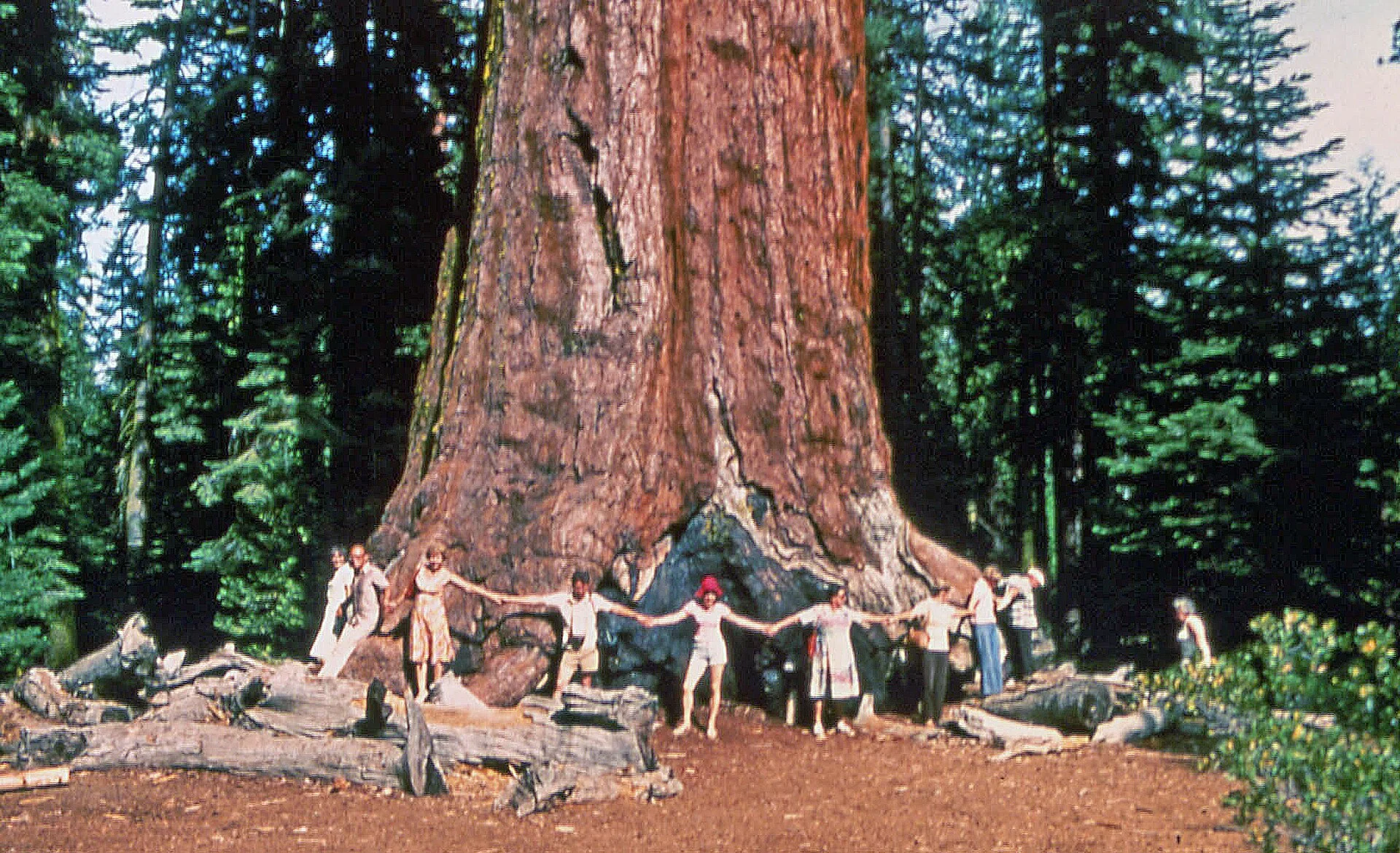
Trunk and Dimensions: Mature specimens average 50 to 85 meters in height, with trunk diameters at breast height ranging from 6 to 8 meters. Record trees have reached up to 95 meters in height and up to 12 meters in diameter.
Bark: The orange-brown to reddish-brown bark is fibrous, furrowed, and remarkably thick, measuring up to 90 centimeters at the base. It is spongy, resin-free, and rich in tannic acid, providing crucial insulation against forest fires.
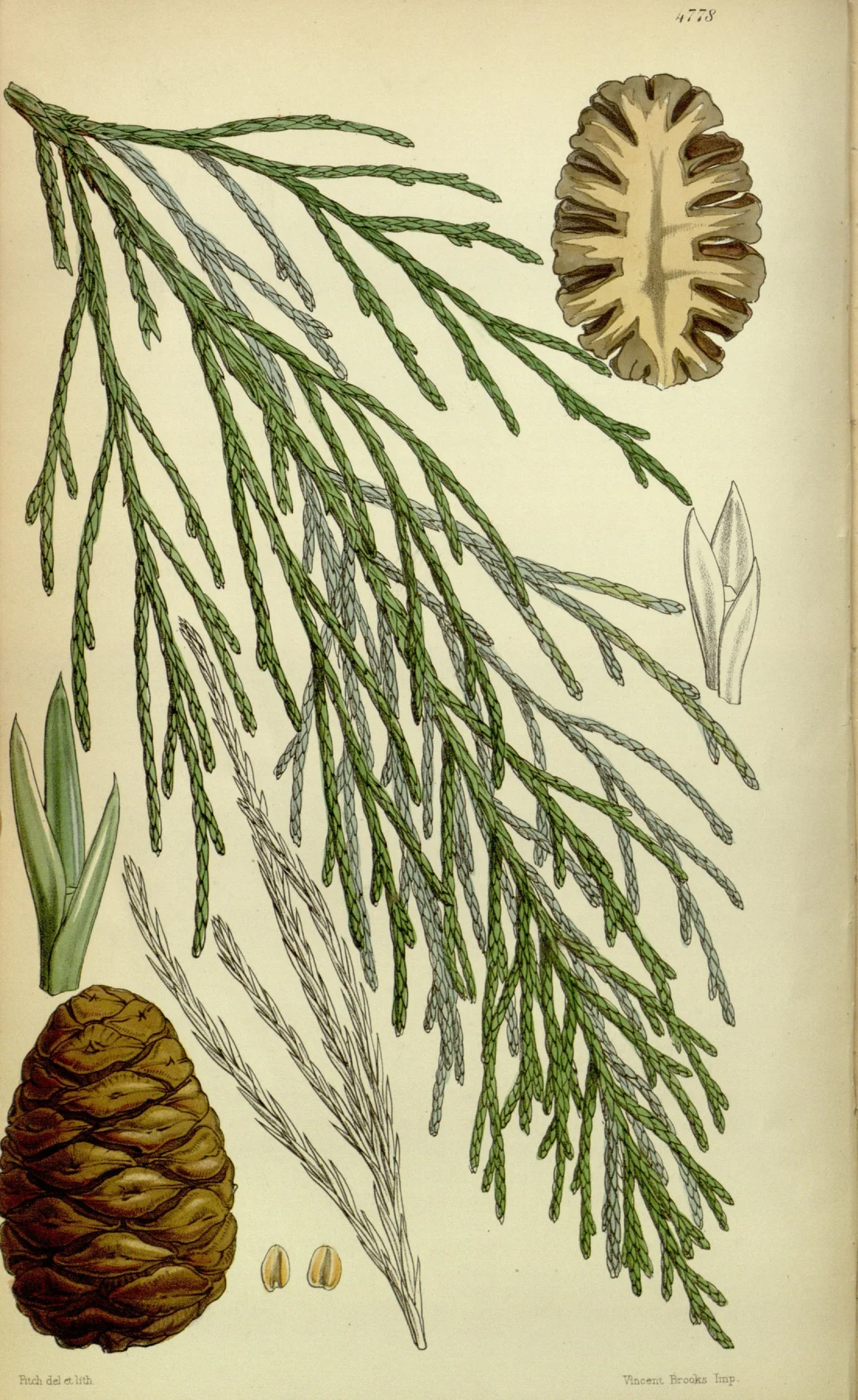
Foliage: The evergreen, awl-shaped needles are 3 to 6 millimeters long on side shoots and up to 15 millimeters on main shoots. They are arranged spirally in three rows and release a pleasant anise-like fragrance when crushed.
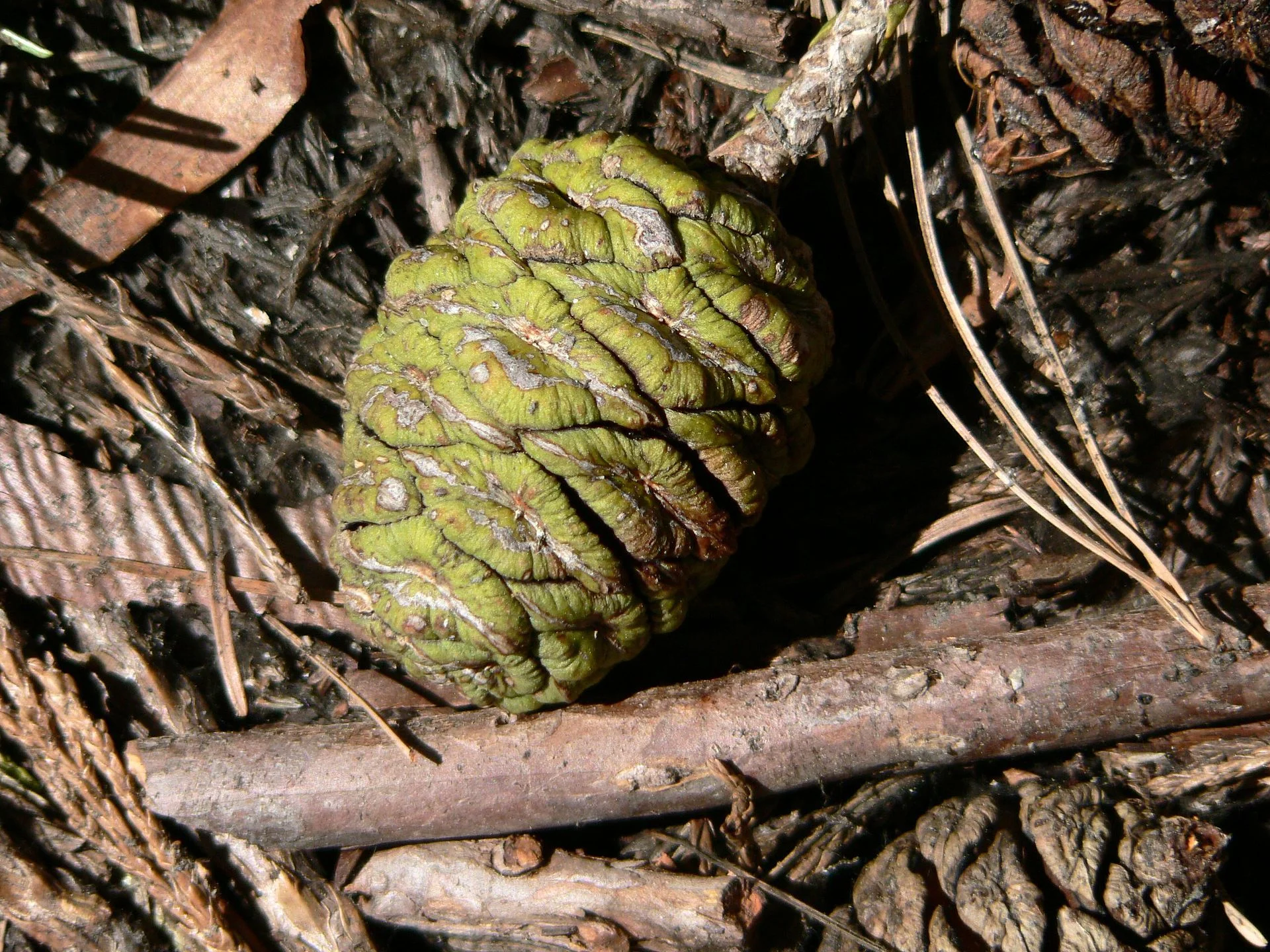
Cones and Seeds: The egg-shaped seed cones are 4 to 9 centimeters long and contain an average of 230 seeds. These cones mature in 18 to 20 months but can remain green and closed on the tree for up to 20 years.
Root System: The roots form a vast, shallow network spreading 30 to 40 meters laterally (up to 60 meters) but rarely penetrating more than 1 to 1.8 meters deep. This wide plate provides stability and maximizes surface water absorption.
Flowering season
Pollen shedding occurs in spring, typically from March to April.
Jan
Feb
Mar
Apr
May
Jun
Jul
Aug
Sep
Oct
Name
Dec
Applications
Due to the unique physical properties of its wood, the economic uses of Sequoiadendron giganteum have shifted significantly over time. While historical logging was largely unsuccessful, modern cultivation has found new applications in landscaping, forestry, and tourism.
The primary applications of the giant sequoia include:
Landscape Architecture: It is highly valued as a majestic ornamental tree in public parks, botanical gardens, and large private estates across temperate regions globally.
Historical Timber Industry: Between 1880 and 1920, the brittle wood of mature trees was harvested for minor products such as fence posts, roof shingles, and matchsticks.
Modern Silviculture: Young, plantation-grown trees yield wood of much higher quality than mature wild specimens. This has sparked interest in cultivating the species as a high-yielding timber crop in Europe and California.
Specialized Farming: In the Pacific Northwest of the United States, some growers successfully cultivate young giant sequoias for use as high-end Christmas trees.
Ecotourism: The preservation of ancient groves has created a thriving ecotourism industry, drawing millions of visitors annually to protected national parks.
Interesting facts
The colossal size and evolutionary history of Sequoiadendron giganteum have generated numerous fascinating records, historical anecdotes, and ecological secrets. From its reliance on forest fires to survive to its role as a cultural symbol, this species remains one of the most remarkable organisms on Earth.
Intriguing facts about the giant sequoia include:
The Volume Record: The specimen named "General Sherman" in California is the largest living tree on Earth by volume, containing approximately 1,487 cubic meters of wood and weighing over 1,200 tons.
A Living Shrine: The "General Grant" tree was designated as the "Nation's Christmas Tree" in 1926 by Calvin Coolidge, and was later declared a national shrine by Dwight D. Eisenhower to honor war veterans. It is the only living object to hold this status.
Born of Fire: As a pyrophytic species, it relies on forest fires to reproduce. The intense heat of a wildfire dries the closed cones, forcing them to open and drop their seeds onto the nutrient-rich ash.
The Tunnel Tree Legend: To attract tourists, pathways were historically carved through the trunks of living trees. The most famous was the "Wawona Tree" in Yosemite National Park, which collapsed in 1969 after being weakened by the tunnel.
Ancient Ancestry: Fossil records show that ancestors of this species existed during the Cretaceous period, over 120 million years ago, once spreading across much of the Northern Hemisphere before the ice ages restricted their range.
European Giants: Brought to Europe in 1853, the tallest specimen outside the United States stands in Ribeauvillé, France, reaching nearly 58 meters, while the tallest in the United Kingdom grows in Benmore, Scotland.