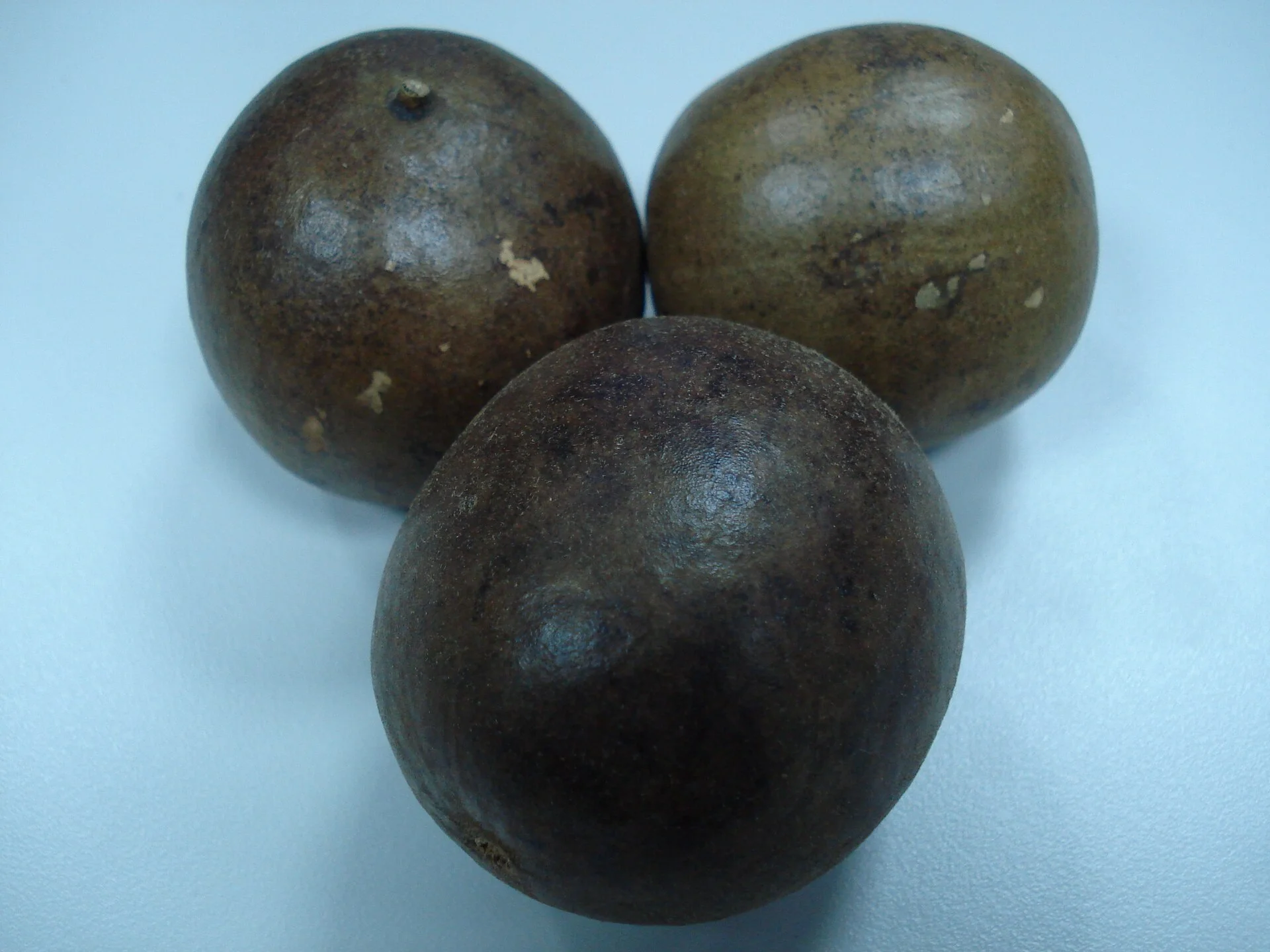
Deep in the mist-shrouded, shade-drenched mountains of southern China, a remarkable vine has been nurtured by Buddhist monks for centuries due to its extraordinary sweetness. This perennial herbaceous climber, known scientifically as Siraitia grosvenorii, produces round fruits that have become globally famous as a low-calorie sugar substitute.
The plant belongs to the gourd family, Cucurbitaceae, and is prized for its sweet fruit extract containing unique triterpene glycosides. In local traditions, Siraitia grosvenorii is referred to as luo han guo, a name honoring the enlightened arhats of Buddhist lore.
The vegetative and reproductive structures of Siraitia grosvenorii display classic traits of the gourd family, adapted to climbing and storing nutrients. The plant grows from a substantial, fleshy caudex that measures 7 to 23 cm in length, enabling annual regrowth of the climbing vines.
Key morphological features include:
Vines and Foliage: The herbaceous stems reach lengths of 3 to 5 meters, climbing via branched tendrils. Its narrow, heart-shaped leaves are 10 to 20 cm long and are covered with fine hairs on their undersides.
Flowers: This species is dioecious, bearing unisexual yellow flowers that are 2.5 to 4.5 cm wide. Male blossoms form clusters of 6 to 10, whereas female flowers grow singly or in small groups.
Fruits and Seeds: The smooth, round to oblong berries grow 4 to 8 cm in diameter, shifting from green to yellow-brown. Inside the thin, brittle shell lies an edible pulp containing pale yellow, grooved, ovate seeds about 1.5 cm in length.
Flowering season
Flowers appear from June to August, followed by fruit development through October.
Jan
Feb
Mar
Apr
May
Jun
Jul
Aug
Sep
Oct
Name
Dec
Care parameters
Light
Prefers partial shade or filtered light, naturally protected from direct sun by mountain mists.
Watering
Requires consistent moisture and high rainfall; soil should remain damp but well-drained.
Temperature
Thrives in warm, subtropical climates with temperatures between 22°C and 28°C; sensitive to frost.
Humidity
Demands very high relative humidity, ideally between 75% and 85%.
Toxicity
Non-toxic to humans and animals; the fruit extract is certified as safe (GRAS) for consumption.
Applications
The primary value of Siraitia grosvenorii lies in its sweetening capacity and historical therapeutic use. The intense sweetness is derived from mogrosides, a group of triterpene glycosides found in the fruit pulp.
Key applications include:
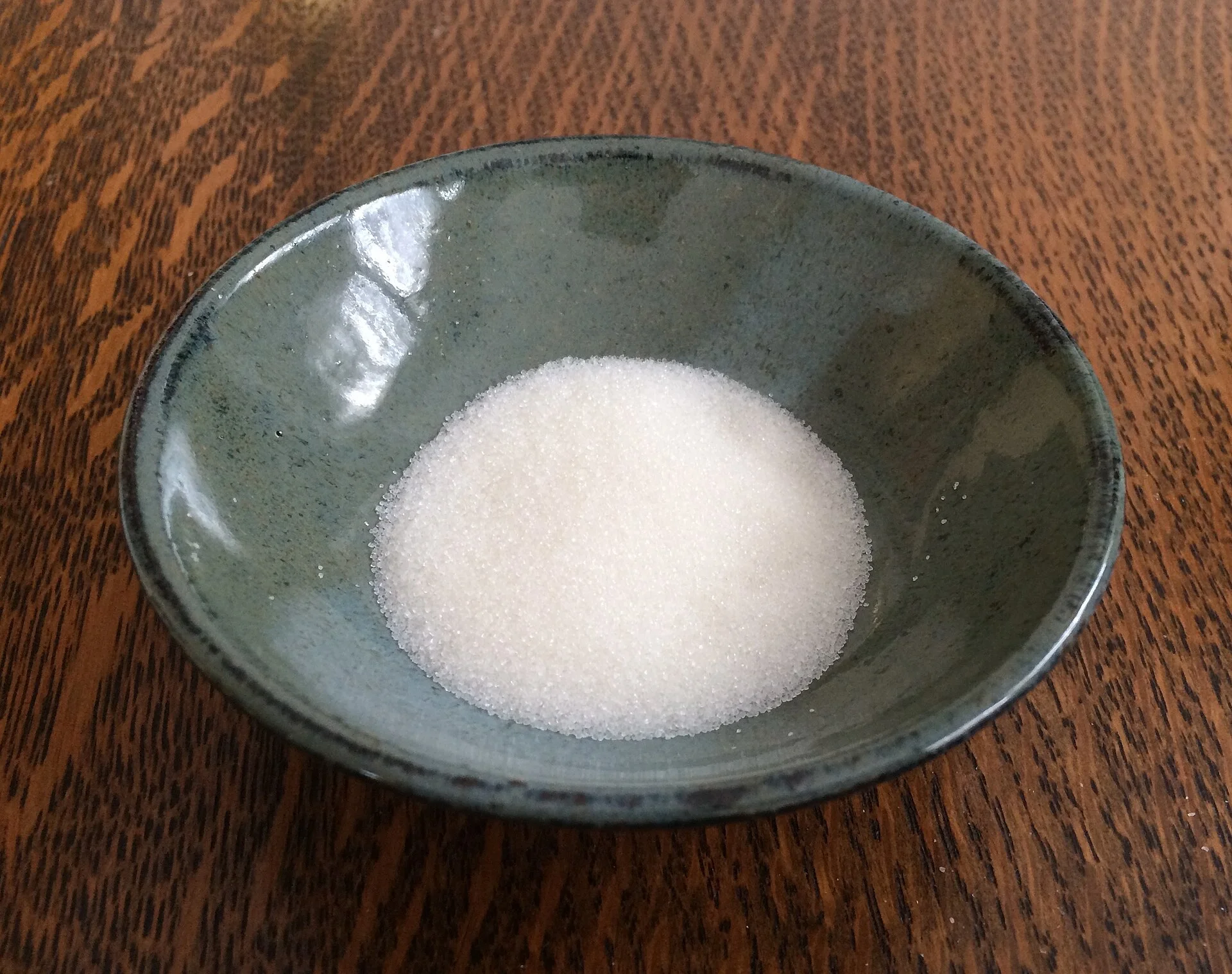
Natural Sweetener: The extracted mogroside V is 250 to 300 times sweeter than sucrose and contains almost no calories. It is widely used in sugar-free beverages, tabletop sweeteners, and dietary products.
Traditional Chinese Medicine: Known as luo han guo, the dried fruit is brewed into herbal teas to relieve coughs, soothe sore throats, reduce phlegm, and alleviate constipation.
Pharmacological Research: Modern scientific studies indicate that isolated mogrosides exhibit antioxidant and anti-inflammatory properties, with ongoing research into their potential role in combating neuroinflammation.
Interesting facts
The history and culture surrounding Siraitia grosvenorii are filled with tales of secrecy, longevity, and modern scientific discovery.
Some of the most fascinating aspects of this plant include:
Buddhist Connection: The name luo han guo translates to "arhat fruit," referring to enlightened Buddhist monks who first recorded using the sweet gourd in the 13th century near Guilin.
Honoring a Geographer: The species name grosvenorii honors Gilbert H. Grosvenor, the president of the National Geographic Society, who sponsored the 1937 expedition to locate the live plant in China.
Zhuang Minority Secret: For centuries, the delicate cultivation and pollination techniques were kept secret by the Zhuang ethnic minority in the mountains of Guangxi.
Centenarian Valleys: The primary growing regions of Yongfu and Lingui counties are famous for their high concentration of centenarians, a phenomenon locals historically linked to their regular consumption of this fruit.
The Off-Flavor Patent: The fresh fruit contains sulfur-rich amino acids that create off-flavors upon fermentation, leading Procter & Gamble to patent a specialized purification process in 1995 to make the sweetener commercially viable.
Varieties and cultivars
Several traditional cultivars of Siraitia grosvenorii have been developed in China, selected for fruit shape, yield, and resistance to pests.
Changtan (长滩果): Renowned for producing the highest quality fruit with superior sweetness, though it has a lower overall yield.
Qingpi (青皮果): The most widely cultivated variety due to its high productivity, despite its susceptibility to root-knot nematodes.
Donggua (冬瓜果): A cultivar named for its elongated shape resembling a wax gourd.
Lajiang (拉江果): A regional cultivar adapted to specific microclimates in the mountains of Guangxi.