Winding its way through the lush Neotropical rainforests and urban fencerows, Trichostigma octandrum forms dense, tangled mounds that can span up to ten meters. This robust climbing vine, widely known as the hoopvine, is as deeply intertwined with local craftsmanship as it is with the surrounding Caribbean ecology.
Belonging to the family Petiveriaceae, the plant effortlessly transforms from a free-standing shrub into a towering climber. Its remarkable adaptability allows it to thrive in diverse soils and climates, ranging from the Florida Everglades down to the sweeping landscapes of Argentina.
Trichostigma octandrum is a remarkably vigorous plant, developing either as a sprawling shrub or a towering vine that climbs up to six meters in height. The twining or trailing stems, which are completely devoid of hairs, can reach an impressive diameter of four to fifteen centimeters.
The foliage consists of ovate, entire leaves measuring between four and nine centimeters in length. These green blades are supported by distinctly long petioles and terminate in a short, completely glabrous apex.
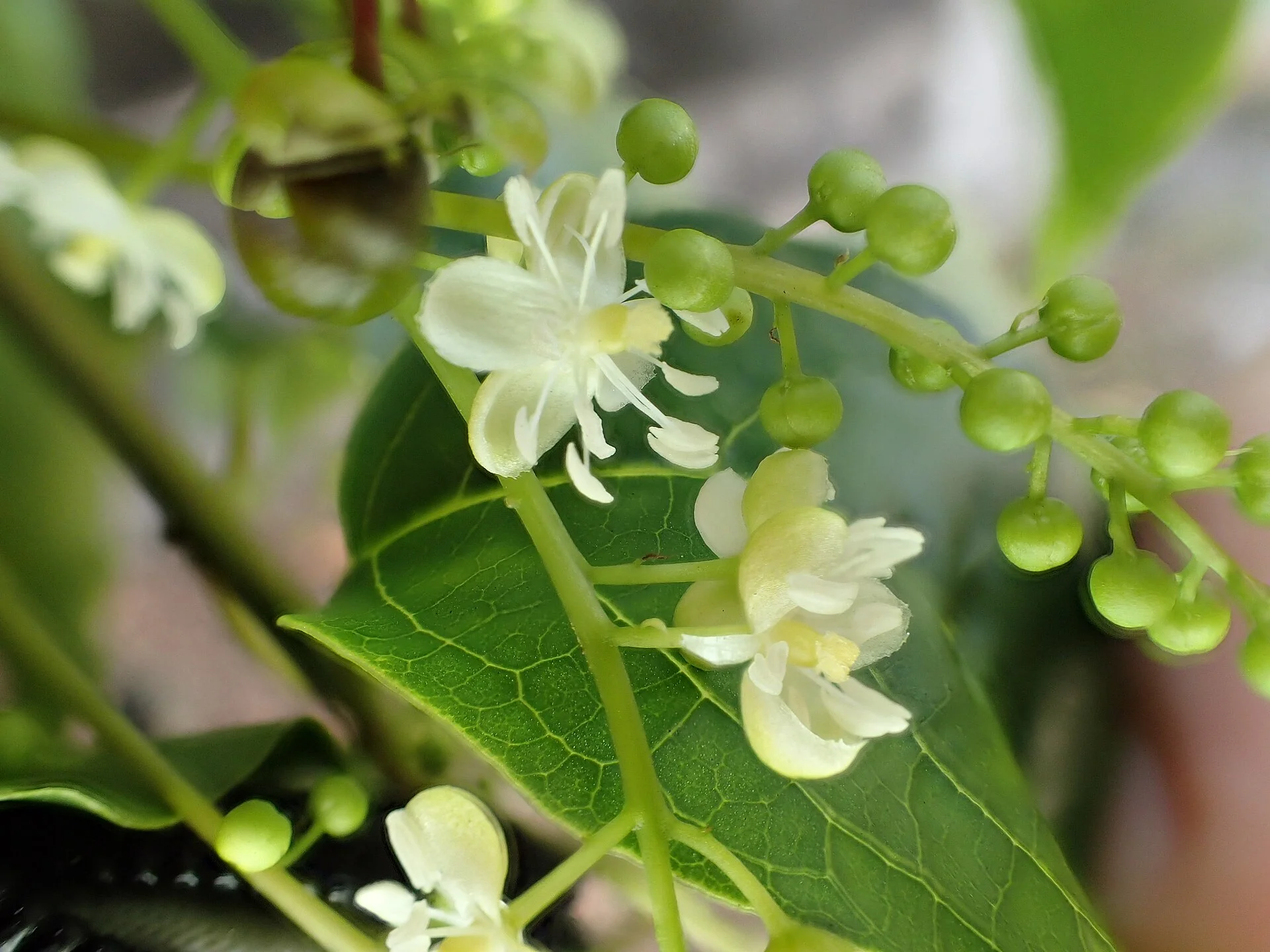
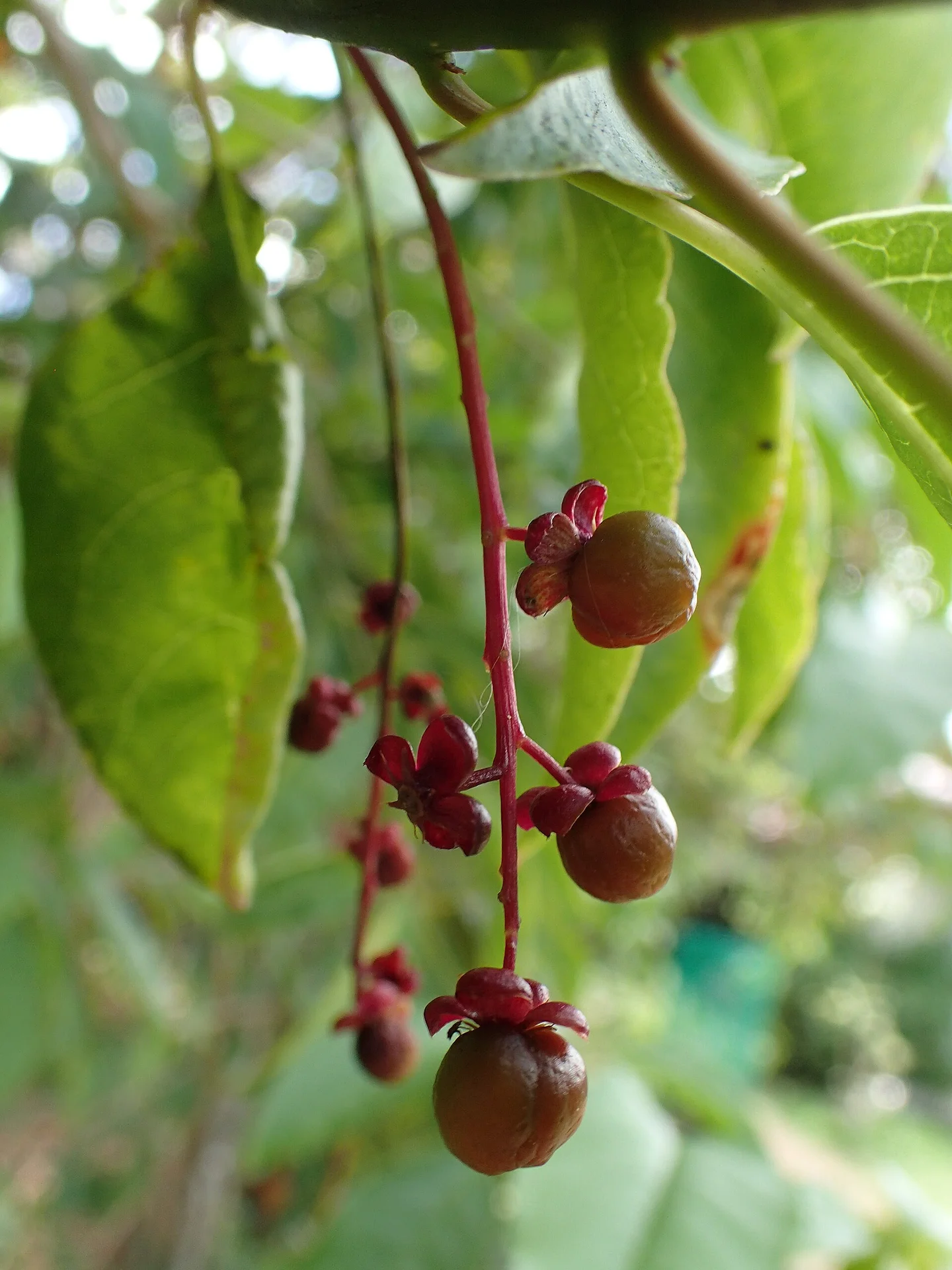
During its blooming phase, the plant produces narrow racemes spanning five to seven centimeters, adorned with tiny blossoms on individual stalks. The oval sepals eventually reflex away from the center to reveal small, fleshy, reddish-purple berries.
Applications
The extraordinary flexibility of the stems and bast fibers makes Trichostigma octandrum a prized material for crafting barrel hoops, baskets, and bentwood furniture. This structural utility has deeply influenced traditional Caribbean artisanship and practical construction.
Beyond its physical applications, the plant serves an important role in regional culinary and medicinal practices. Young leaves can be safely consumed as a boiled vegetable once the bitter cooking water is discarded, while the vividly colored berries yield a strong purple juice utilized as a natural dye.
In traditional herbal systems, various vegetative parts of the hoopvine are highly valued for treating ailments such as heart palpitations and water retention. Colombian communities apply the leaves to wounds for accelerated healing, and in Hispaniola, a medicinal tea is brewed to alleviate asthma.
Interesting facts
Ecological interactions and cultural ties surrounding Trichostigma octandrum present fascinating details for botanists and historians alike. The plant possesses several unique characteristics that set it apart in the Neotropical landscape:
Unusual Pollinators: While the exact pollinator remains officially unidentified, researchers strongly suspect that local mosquito populations may play a crucial role in fertilizing the flowers.
Avian Dispersal: The fleshy berries are highly sought after by regional bird species, which consume the fruit and inadvertently distribute the seeds across vast geographical distances.
Pervasive Growth: In Puerto Rican ecosystems, the plant is famously opportunistic, rapidly forming nearly impenetrable thickets over windfalls, rocky outcrops, and urban fences.
Chemical Potential: Related species within the Petiveriaceae family are renowned for containing highly bioactive compounds, suggesting this vine may hold undiscovered pharmacological properties.