Deep within the damp, shaded limestone forests of Europe, a plant of dark allure and ancient mystery quietly thrives.
This is Atropa bella-donna, a notorious perennial herb renowned worldwide as one of the most toxic species in the northern hemisphere.
The plant's seductive yet lethal nature has earned it the popular name of deadly nightshade, reflecting both its beauty and its capacity to cause fatal poisoning.
For centuries, Atropa bella-donna has held a prominent place in pharmacology, folklore, and the history of poisons, bridging the gap between cosmetic allure and sudden death.
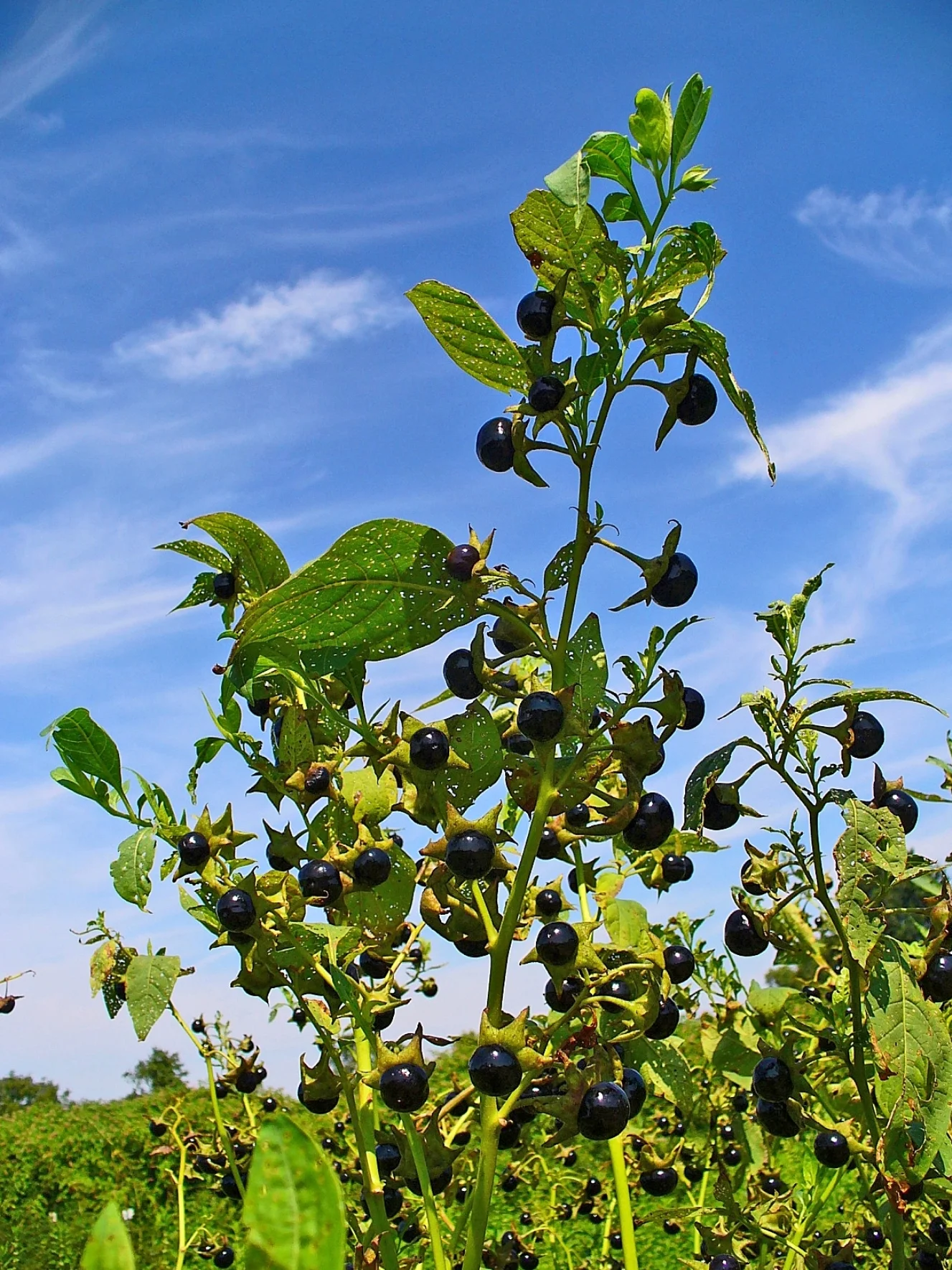
Atropa bella-donna is a branched, herbaceous perennial that often grows as a subshrub, reaching heights between 0.5 and 2 meters.
It arises from a thick, fleshy, branched taproot that can penetrate up to a meter into the soil. The structural features of this species are highly distinct:
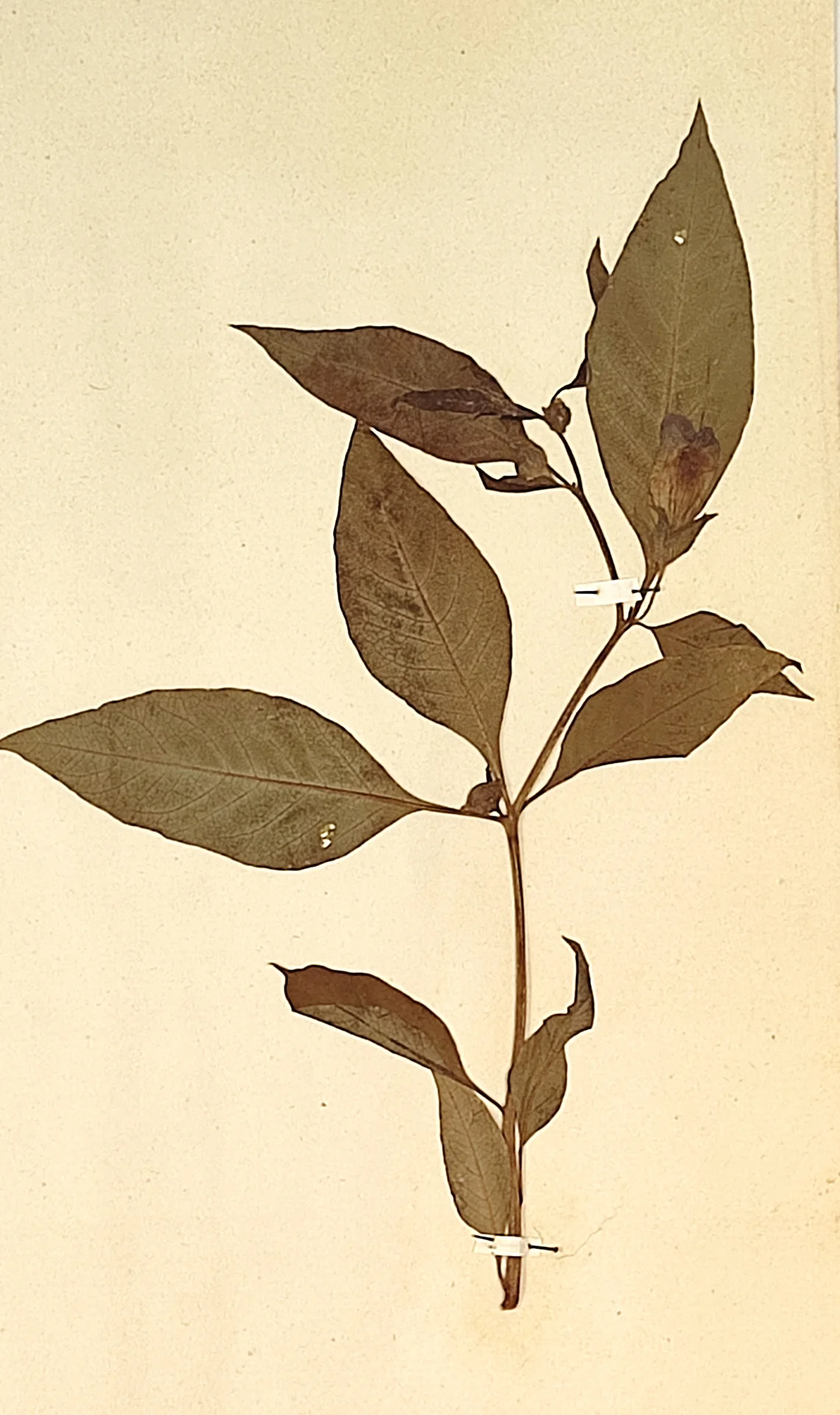
Stems: The erect, angular stems are finely pubescent, often exhibiting a reddish or purplish tinge, and branch extensively at the top.
Leaves: The ovate to elliptic leaves are dark green, growing up to 25 centimeters long, and are arranged in unequal pairs near the flowers.
Flowers: Single, nodding, bell-shaped flowers grow from leaf axils, displaying a dull purplish color with greenish veins.
Fruits: The shiny, black, cherry-sized berries contain a sweet, purple juice and numerous kidney-shaped seeds.
Flowering season
Blooming usually occurs from June to August, occasionally extending from May into early autumn.
Jan
Feb
Mar
Apr
May
Jun
Jul
Aug
Sep
Oct
Name
Dec
Applications
The primary pharmacological value of Atropa bella-donna lies in its rich content of tropane alkaloids, particularly atropine, hyoscyamine, and scopolamine.
Purified atropine has been used in modern ophthalmology to dilate pupils during eye examinations and serves as a vital antidote for organophosphate poisoning. Key applications of the plant's compounds include:
Ophthalmic Dilatation: Atropine drops block muscarinic receptors in the eye, temporarily paralyzing the muscles that constrict the pupil.
Antispasmodic Medication: Standardized extracts are formulated into pharmaceutical drugs to treat stomach spasms, ulcers, and irritable bowel syndrome.
Antidote Therapy: Atropine serves as a standard treatment against nerve agent attacks and pesticide poisoning.
Cosmetic History: Renaissance women used eye drops derived from the plant to expand their pupils for aesthetic purposes.
Interesting facts
The genus name Atropa refers to Atropos, one of the three Fates in Greek mythology who cuts the thread of human life.
This nomenclature highlights the plant's deadly toxicity, as just a few berries can easily cause fatal poisoning in humans. Intriguing historical details include:
Royal Poisonings: Roman Empress Livia reportedly used the juice of this plant to poison Emperor Augustus, and Agrippina the Younger used it to assassinate Emperor Claudius.
Macbeth's Strategy: Macbeth poisoned the troops of Harold Harefoot by supplying them with belladonna-infused drinks, forcing the incapacitated army to retreat.
Witches' Flying Ointments: Medieval folklore details the preparation of ointments containing belladonna and opium poppies, which induced hallucinations of flying.
Animal Exceptions: While extremely toxic to humans, cattle and rabbits can feed on Atropa bella-donna leaves without suffering harmful effects.