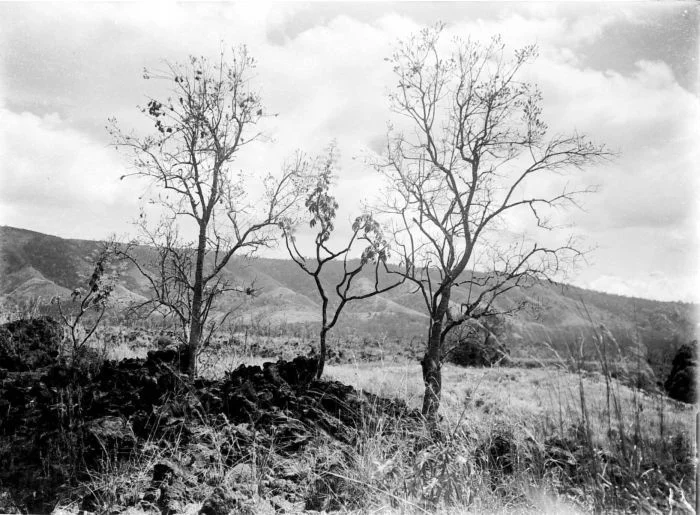
Wight's tree
Wightia
A small genus of hemiepiphytic trees and pseudo-vines native to South and Southeast Asia.
Descendants: 6
Genus
End of chain
This taxon does not have any descendants in the encyclopedia yet.
Plants are an amazing kingdom of multicellular organisms possessing the unique ability to photosynthesize. By converting sunlight into organic matter, they have become the true foundation of life on our planet. It was plants that shaped the Earth's atmosphere by enriching it with oxygen, and to this day they sustain the vast majority of living beings.
From microscopic mosses to giant sequoias, Earth's flora amazes with its diversity and the perfection of its adaptation mechanisms. Botany is not just the science of stems and leaves; it is the study of the very foundation of the biosphere, understanding which is critically important for our common future and for preserving harmony on Earth.
The most extensive and advanced group of plants, characterized by having flowers and fruits.
An ancient group of seed plants whose seeds develop exposed on the scales of cones.
Elegant spore-bearing plants that flourished millions of years ago and have remained faithful to the forests.
Tiny pioneers of the land, forming soft emerald carpets in the most diverse corners of the planet.
Today, science knows of more than 1073942 species of plants, and every year botanists discover about two thousand new taxa.
Plants produce about 90% of all oxygen on Earth, and the world's forests are a key regulator of our planet's climate.
Explore Earth's vast flora through our systematic directory. You can navigate sections using both common names and strict scientific Latin names. Our fast, three-level navigation system will help you find your way among hundreds of thousands of species in a single click.
Latest plant observations from around the world in real time
Wightia
A small genus of hemiepiphytic trees and pseudo-vines native to South and Southeast Asia.
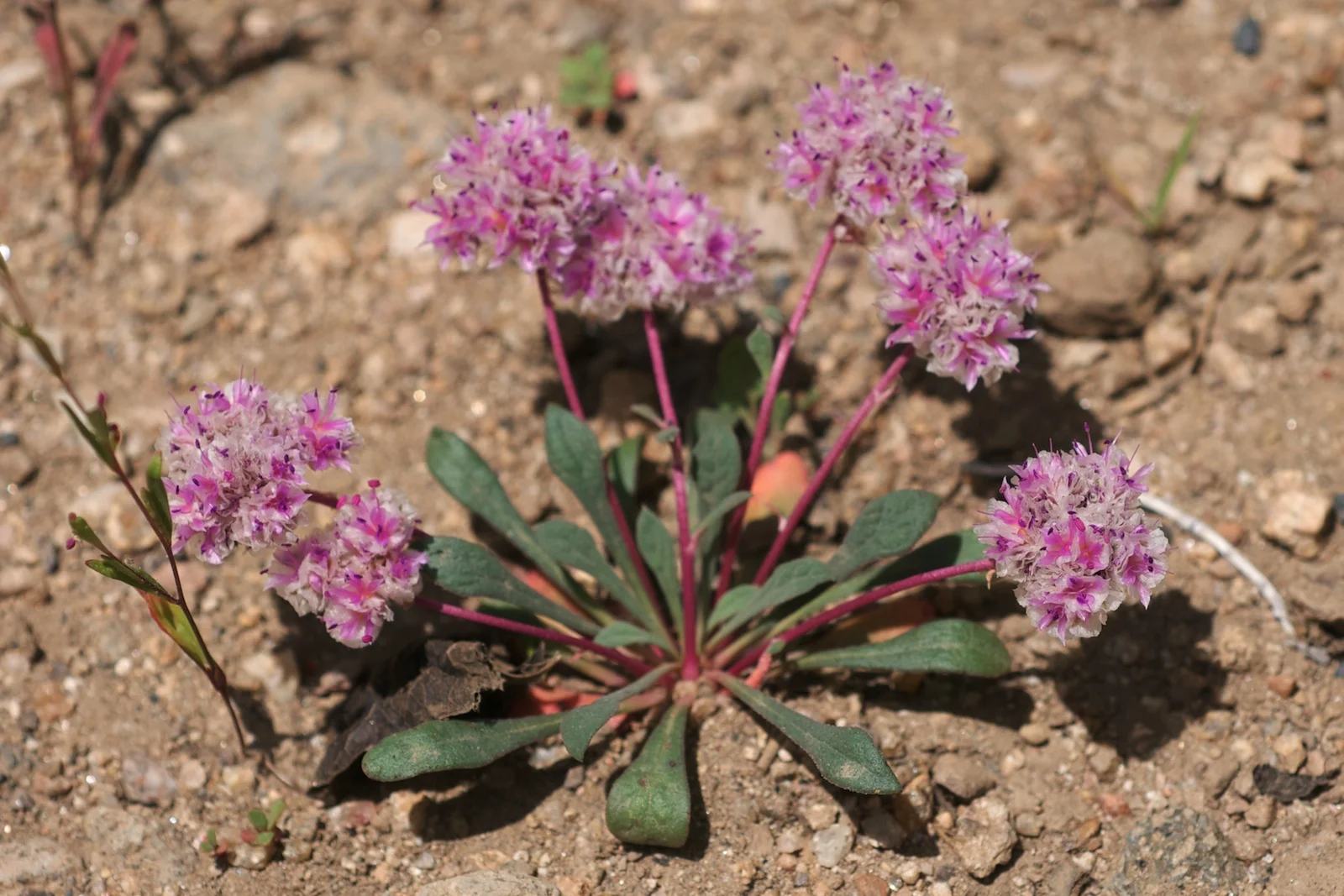
Calyptridium monospermum
A perennial herb native to western North America, recognized by its spoon-shaped basal leaves and unique one-seeded pussypaws inflorescences.
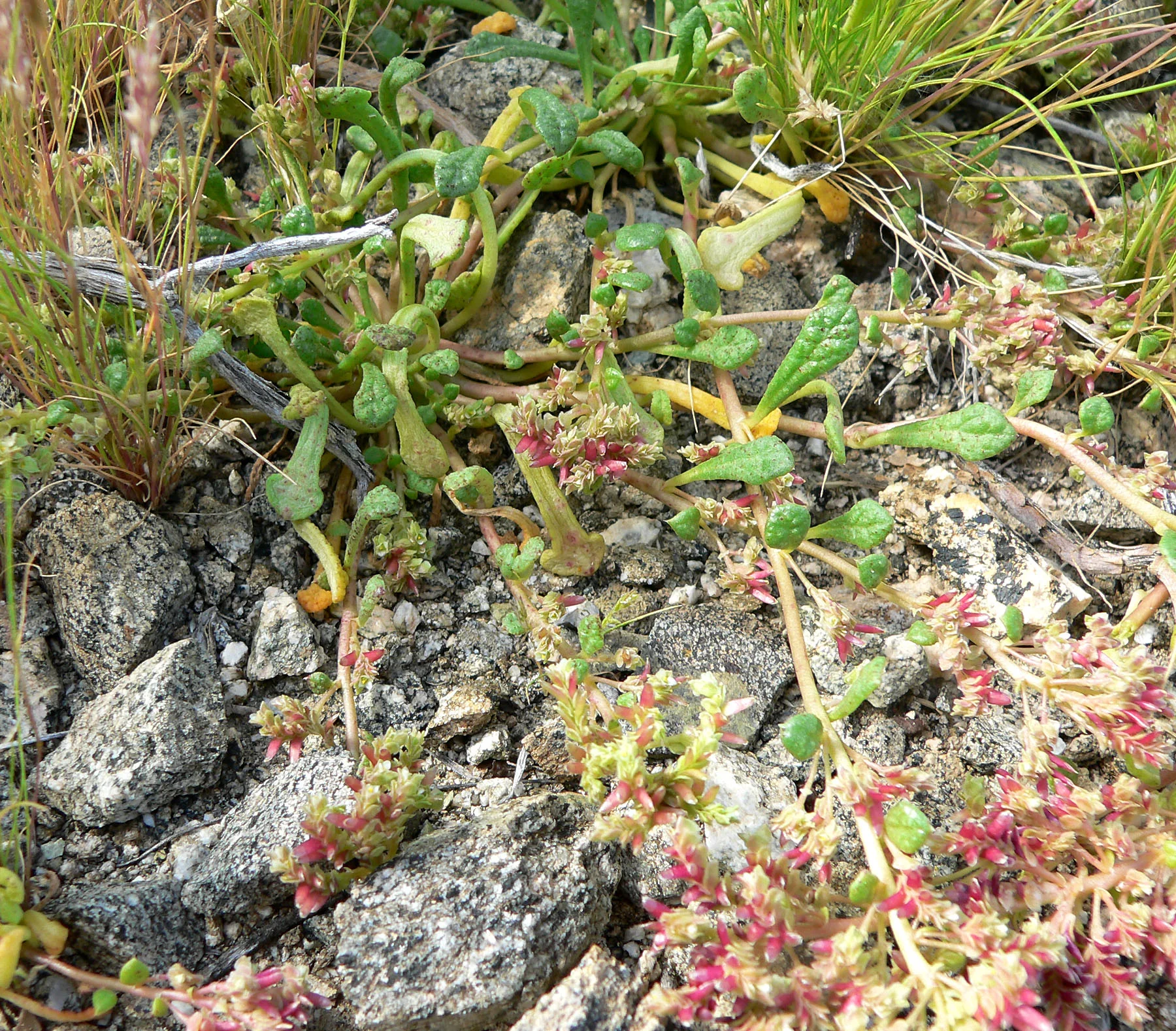
Calyptridium monandrum
A small annual wildflower characterized by single-stamen flowers and a low-growing growth habit, native to sandy soils of California, Arizona, …
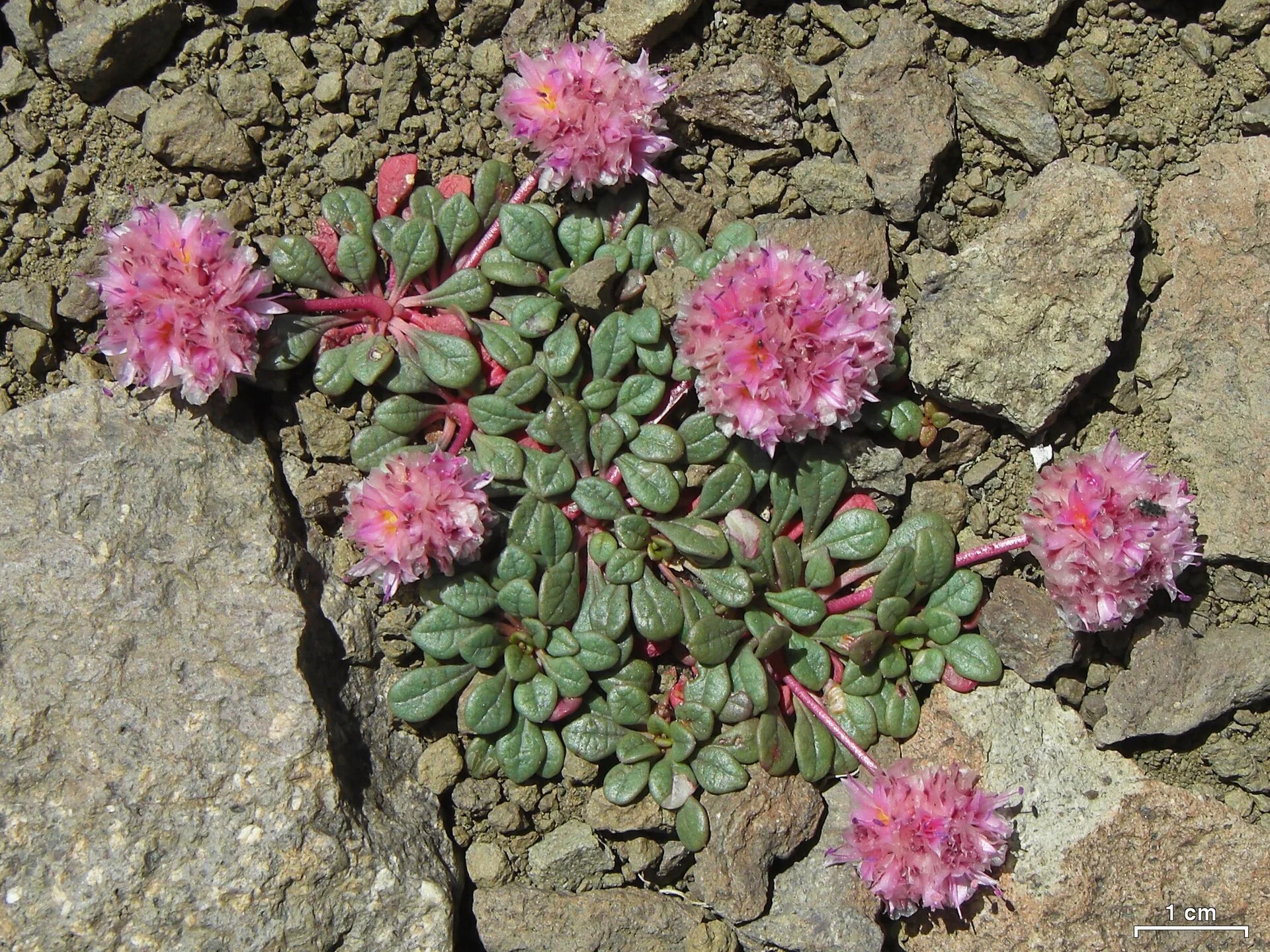
Calyptridium umbellatum
A distinctive perennial wildflower known for its soft, paw-like pinkish flower clusters, native to sandy and gravelly slopes of western …
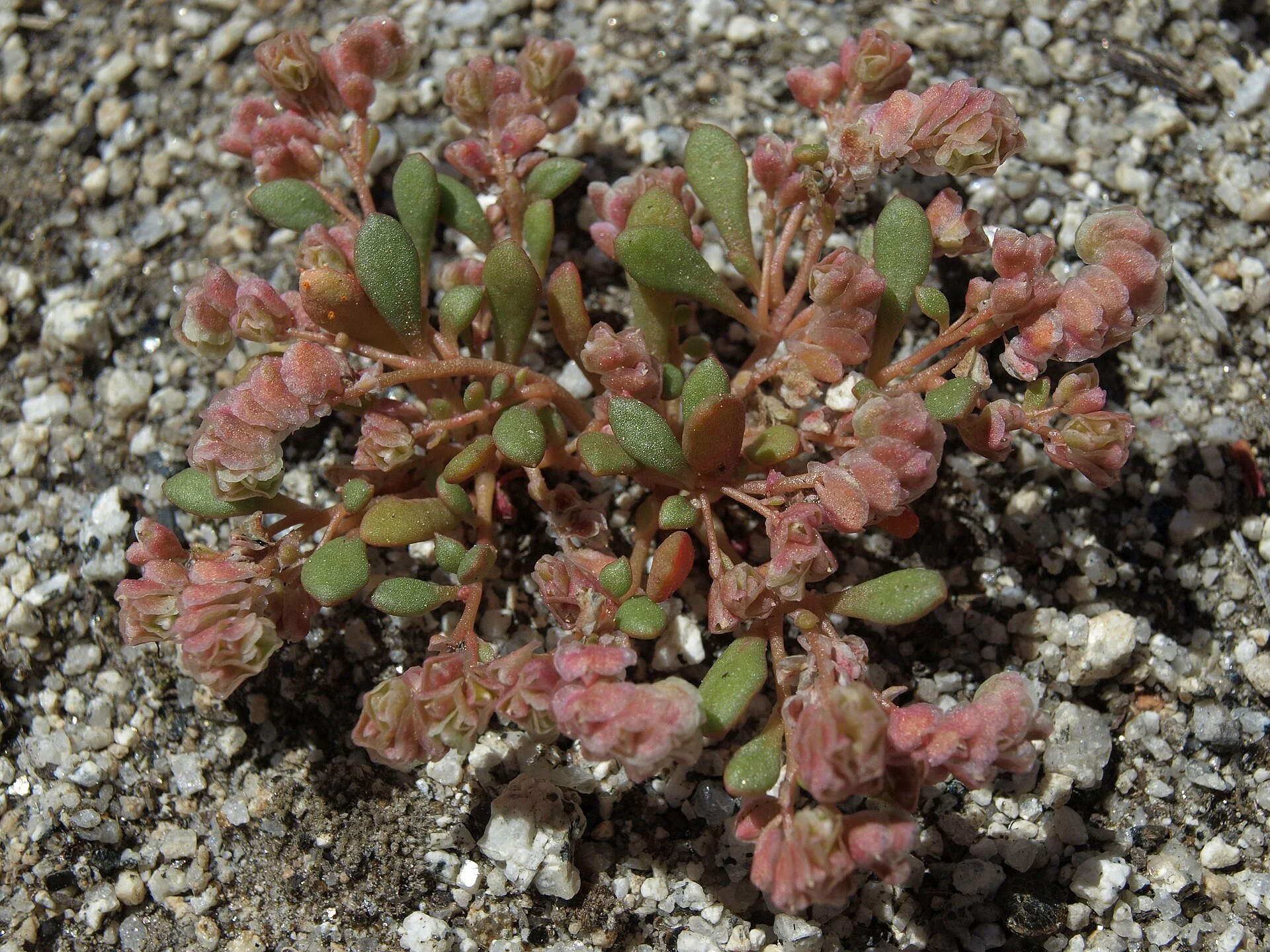
Calyptridium roseum
A delicate annual wildflower native to the western United States, noted for its prostrate growth and distinctive rose-tinted, papery sepals.
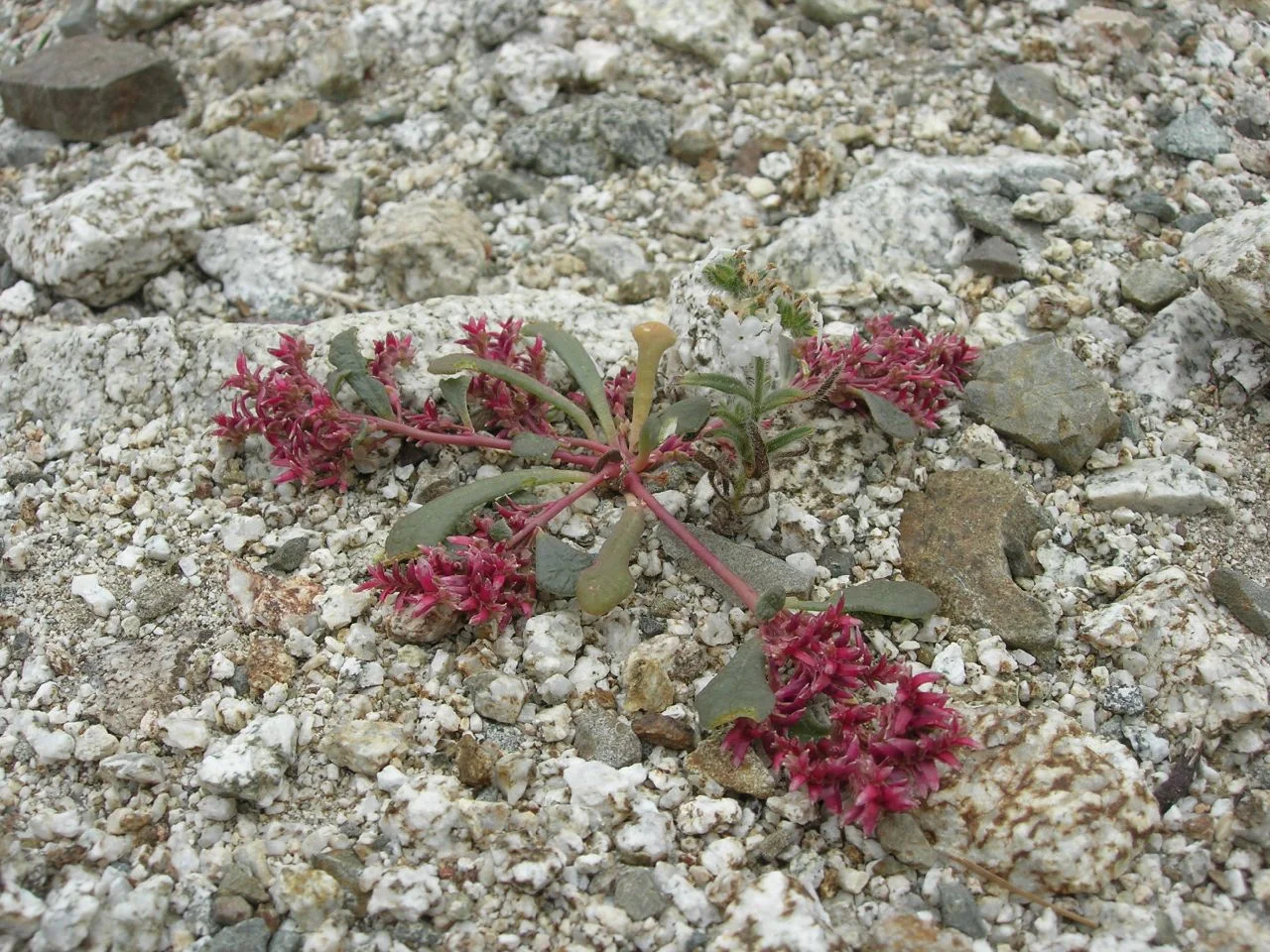
Calyptridium
A genus of low-growing, rosette-forming annual and perennial herbs famous for their soft, paw-like flower clusters.
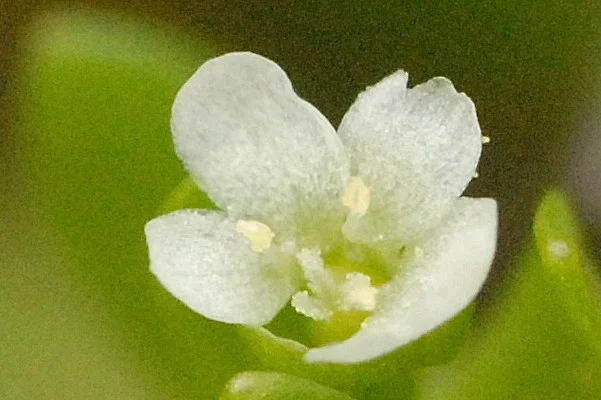
Neopaxia
A genus of low-growing, succulent-leaved perennial herbs native to wet, alpine, and subalpine habitats of the Southern Hemisphere.
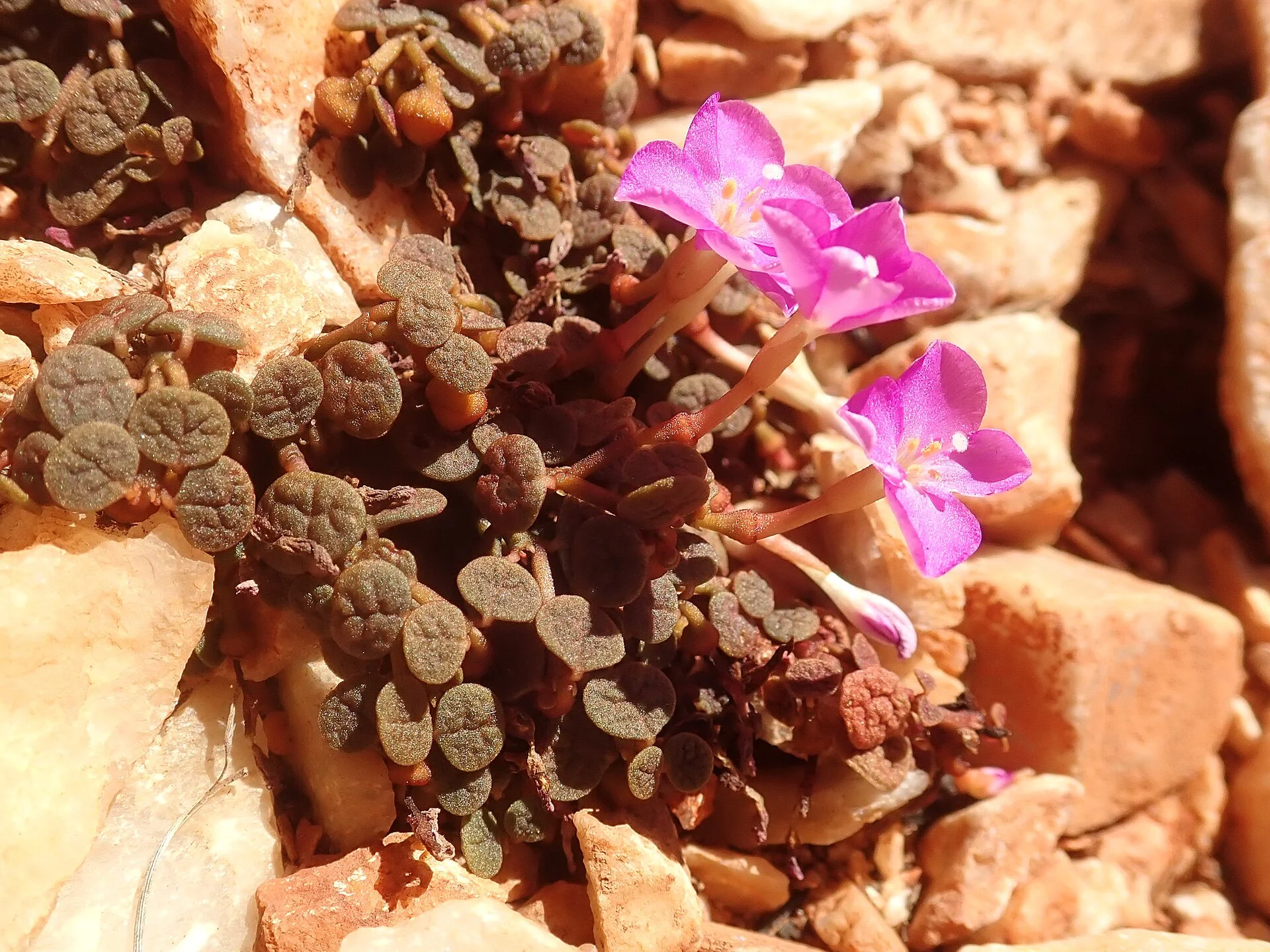
Sedopsis
A genus of small succulent herbs native to the arid and rocky mountainous regions of central Australia.
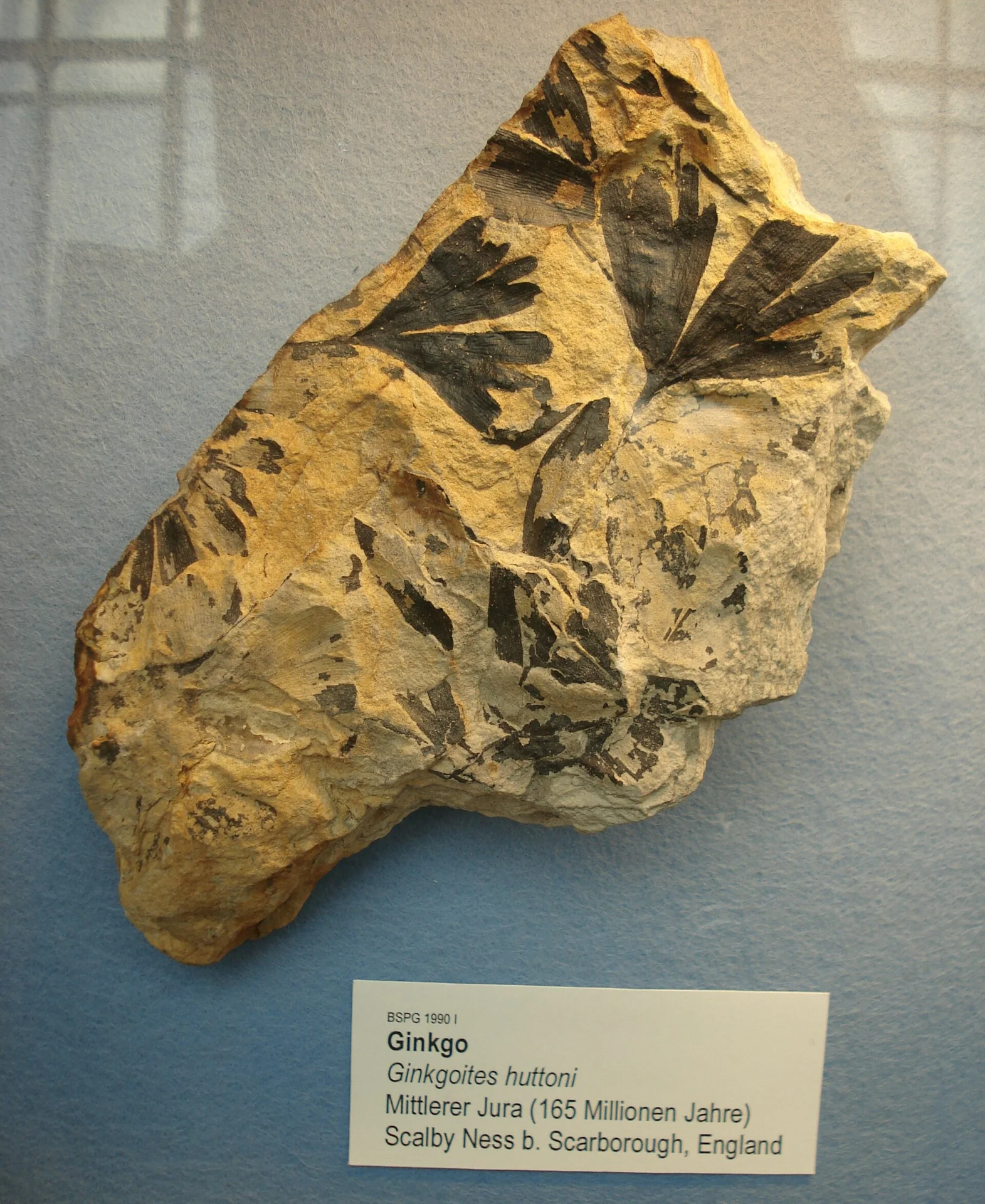
Ginkgoites huttoni
An extinct Middle Jurassic ginkgophyte species celebrated for exceptionally preserved leaf fossils found in the Yorkshire area of the United …
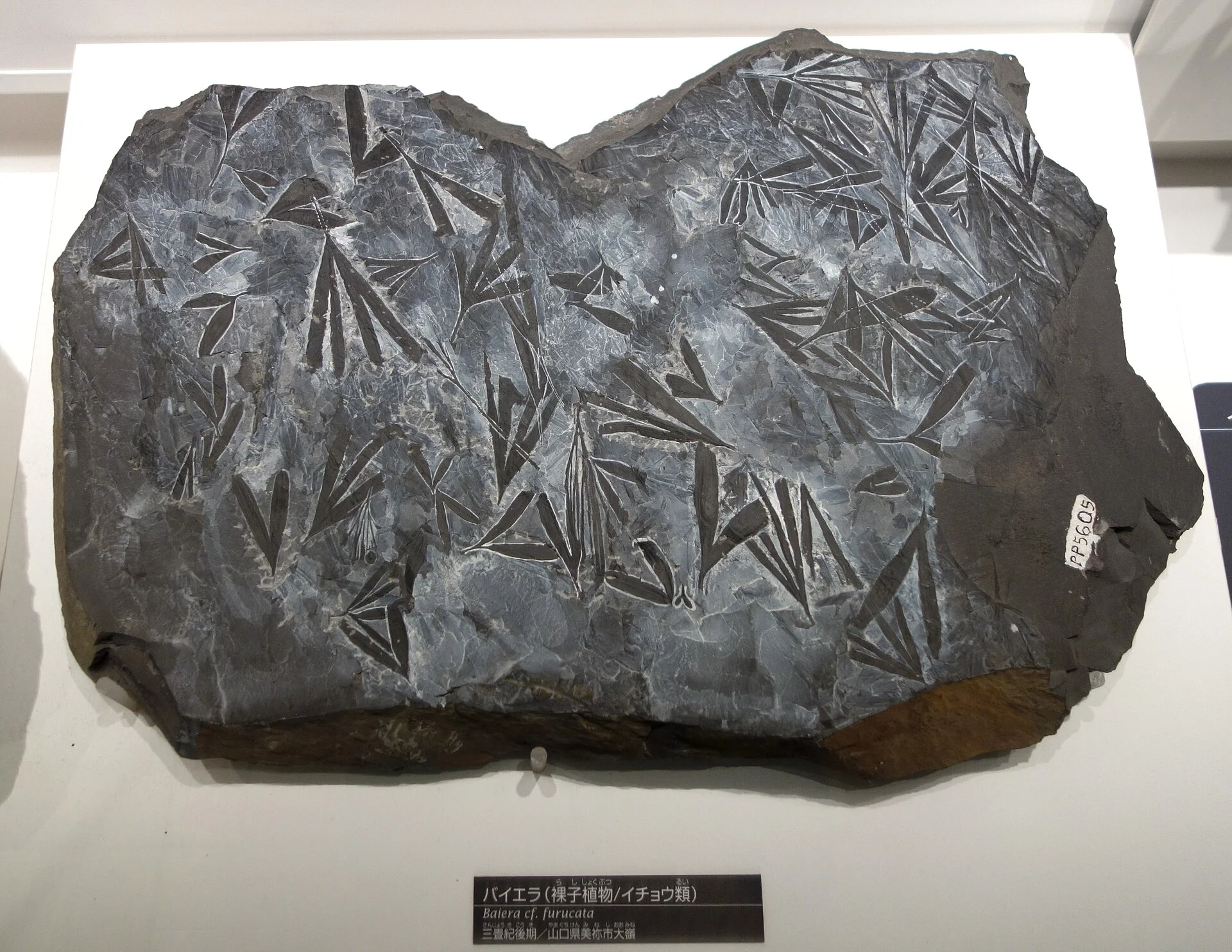
Baiera furcata
An extinct gymnosperm species from the Mesozoic era, recognized by its deeply dissected, ribbon-like leaf segments.
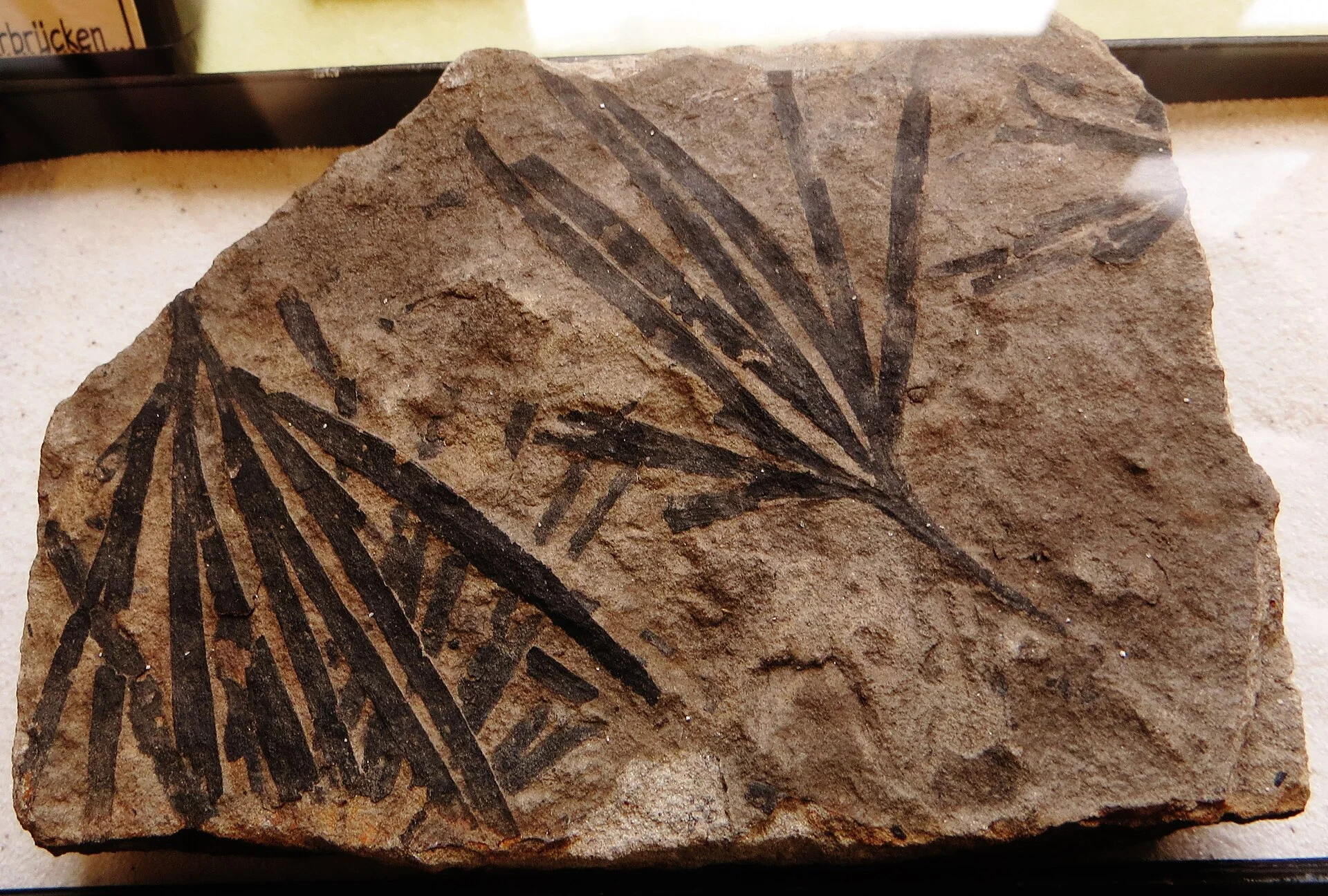
Baiera
An extinct genus of prehistoric gymnosperms within the order Ginkgoales, characterized by deeply lobed, fan-shaped leaves and known from the …
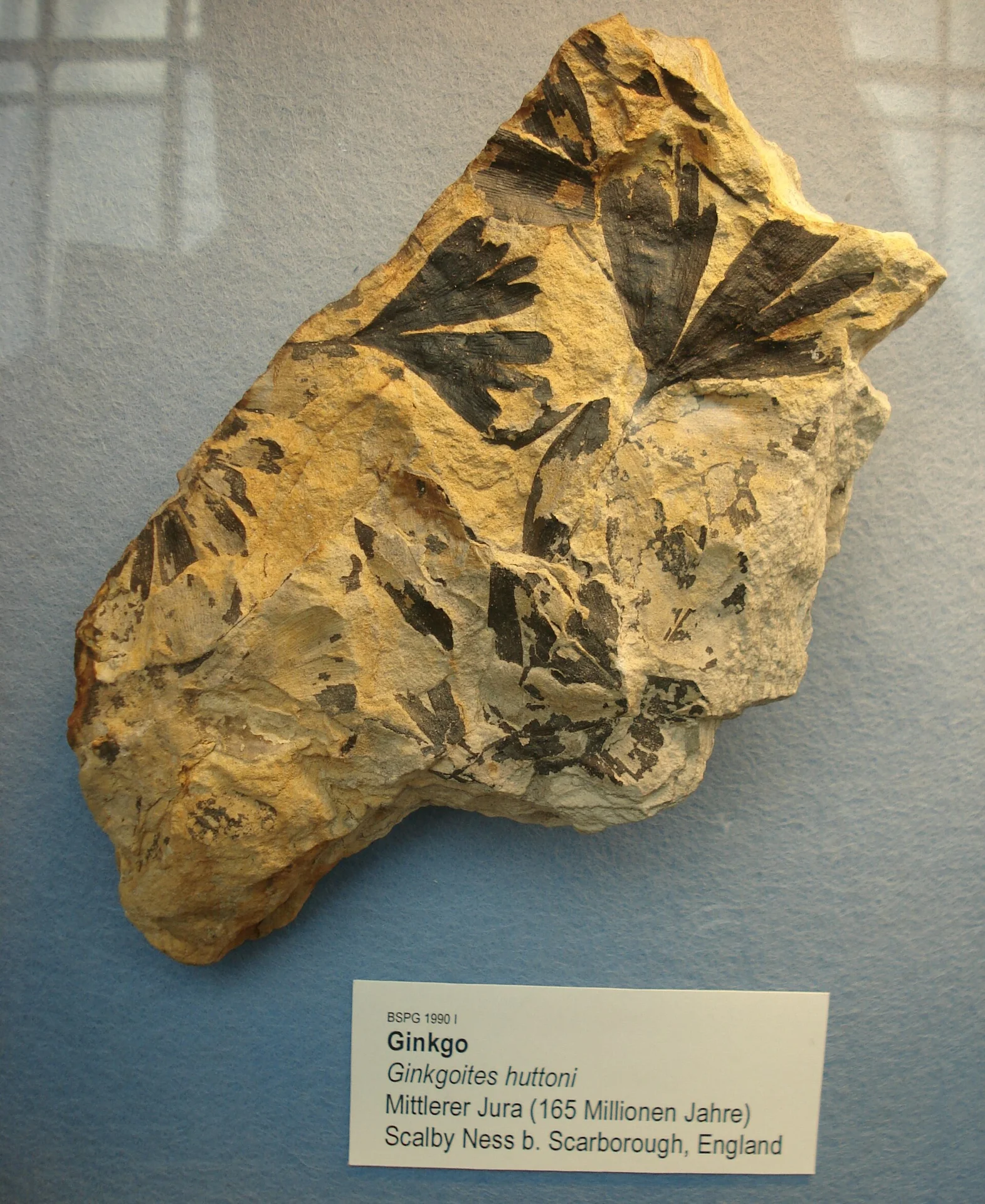
Ginkgoites
An extinct form genus of Ginkgoaceae plants that spanned from the Triassic to the Paleogene, featuring leaves structurally similar to …
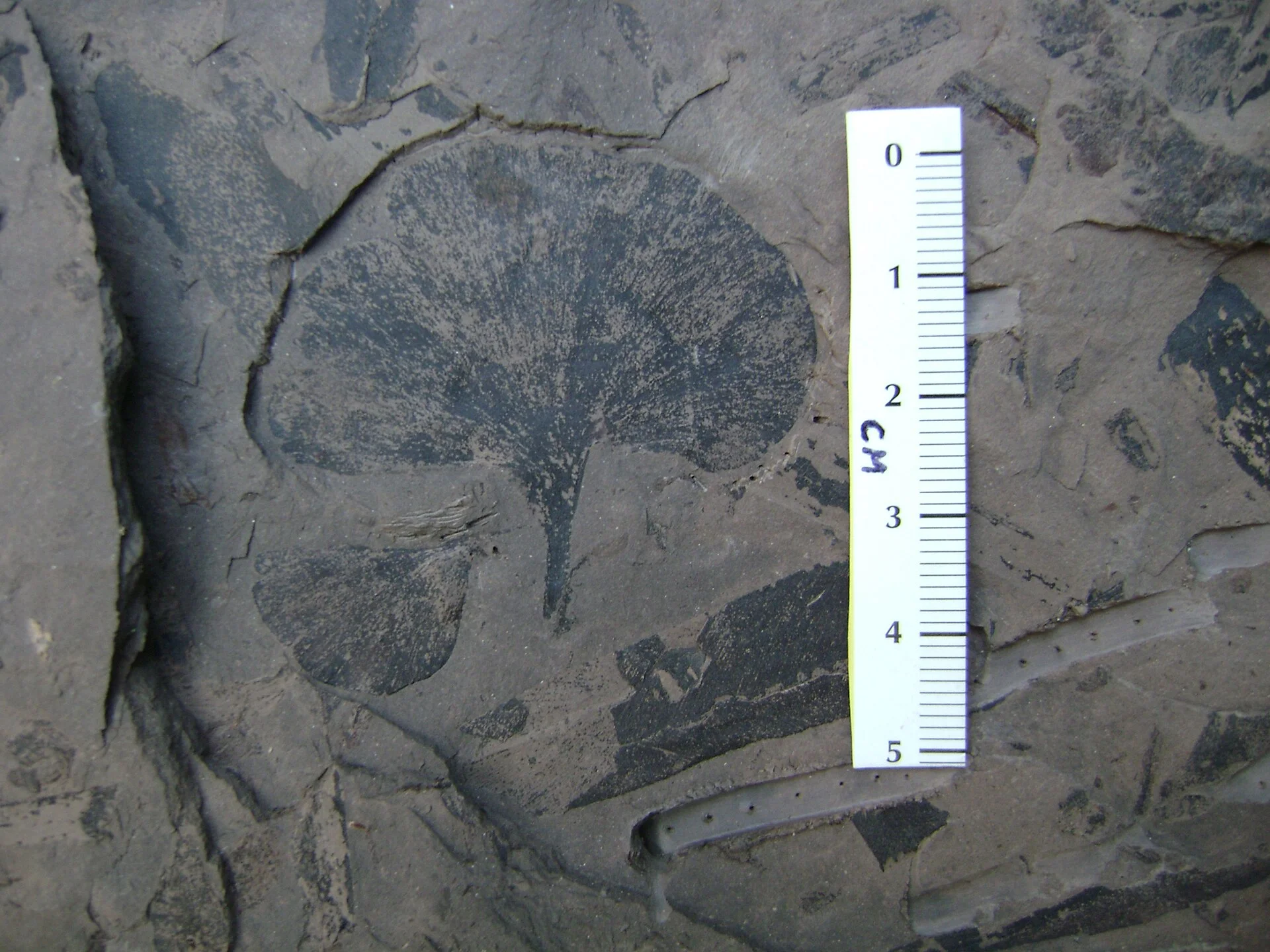
Chiropteris
An extinct genus of fossil plants that thrived from the Early Permian to the Late Jurassic, characterized by circular leaves …

Viridiplantae
Viridiplantae, commonly known as green plants, is a major clade of eukaryotic organisms comprising green algae and land plants, serving …